


PTFE/Non-Stick Coating
Table of Contents
Understanding PTFE / Non-Stick Coating: Everything You Need to Know
PTFE/Non-Stick Coating PTFE (Polytetrafluoroethylene) coating, more commonly known as non-stick coating, is one of the most widely used protective surface coatings in the world today. You’ll find it everywhere — from kitchen cookware and industrial machinery to automotive and textile applications.
This coating is famous for its smooth, slippery surface, excellent resistance to heat and chemicals, and long-lasting performance.
What is PTFE?
PTFE stands for Polytetrafluoroethylene, a synthetic fluoropolymer of tetrafluoroethylene. It was first developed by DuPont in 1938 and is popularly known under the brand name Teflon.
PTFE is a type of plastic that can withstand extreme temperatures and harsh environments. It has a unique property — almost nothing sticks to it, making it ideal for surfaces where friction, corrosion, or contamination must be minimized.
How PTFE / Non-Stick Coating Works
PTFE/Non-Stick Coating PTFE coating is applied as a thin layer over metal or other solid materials.
After application, the coated surface is baked at high temperature, allowing the PTFE particles to bond and form a smooth, hard, and non-reactive surface.
PTFE/Non-Stick Coating This process creates a layer that:
- Prevents materials from sticking
- Reduces friction
- Resists moisture and chemicals
- Provides a long-lasting, easy-to-clean surface
PTFE/Non-Stick Coating Key Features of PTFE Coating
- Non-Stick Surface
PTFE coatings create a slippery surface that prevents food, chemicals, or particles from sticking. This property is why it’s widely used in cookware and molds. - High Temperature Resistance
PTFE can withstand temperatures up to 260°C (500°F) without degrading, making it suitable for applications in ovens, machinery, and high-heat environments. - Chemical Resistance
PTFE does not react with most chemicals, acids, or solvents, ensuring durability even in highly corrosive conditions. - Low Friction
It has one of the lowest coefficients of friction among solid materials, meaning moving parts coated with PTFE require less energy and experience less wear. - Water & Oil Repellent
PTFE surfaces repel water, oil, and dust, keeping equipment clean and reducing maintenance needs. - Electrical Insulation
PTFE is an excellent insulator, making it useful for electrical and electronic components.
PTFE/Non-Stick Coating Applications of PTFE / Non-Stick Coating
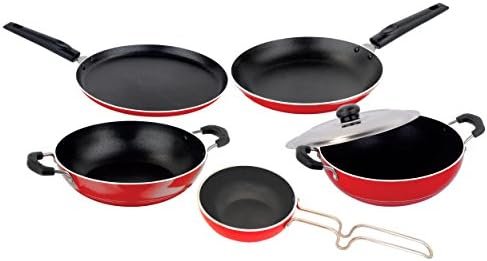
1. Cookware and Kitchen Appliances
- Used on frying pans, baking trays, and cooking pots to prevent food from sticking.
- Easy to clean and ensures healthy, oil-free cooking.
2. Industrial Equipment
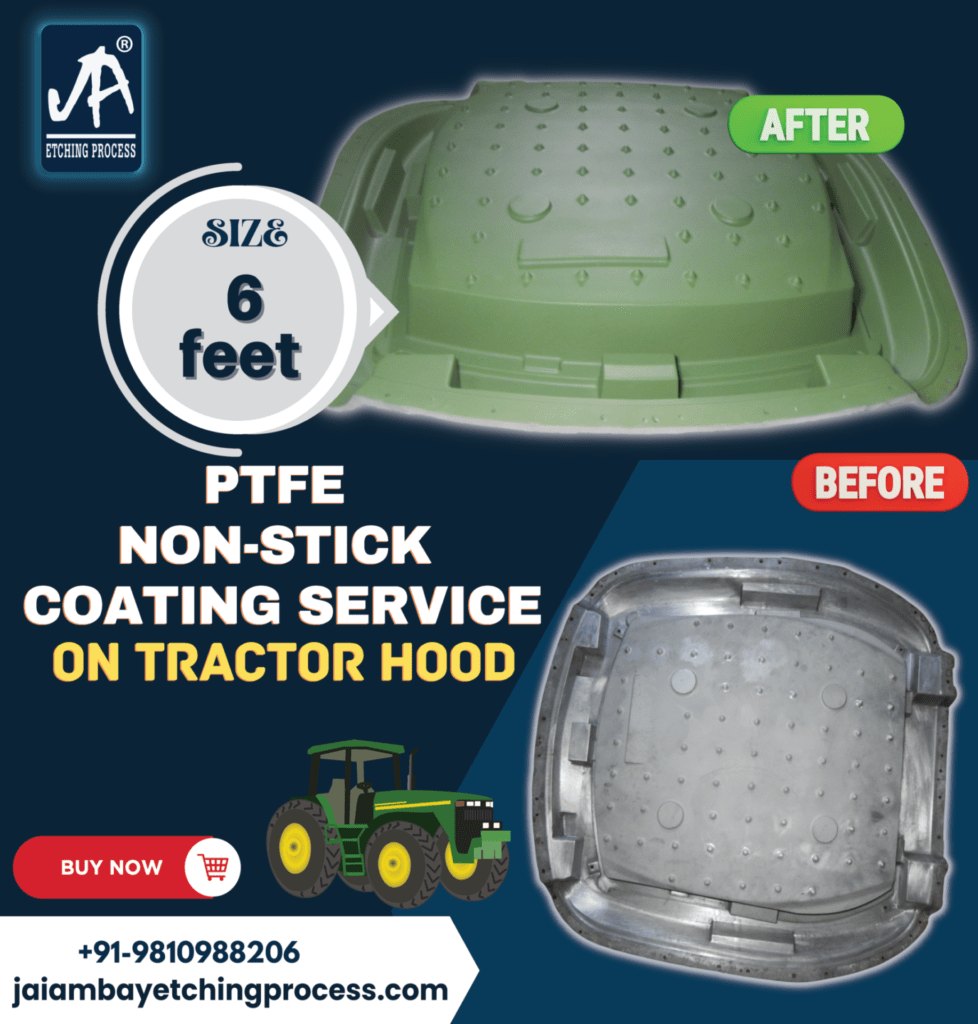
- Applied on molds, rollers, and chutes to reduce friction and prevent material build-up.
- Common in industries like packaging, textiles, and plastics.
3. Automotive and Aerospace
- Used for parts exposed to high temperatures and friction.
- Provides protection against corrosion and wear.
4. Medical and Pharmaceutical
- Used on medical instruments and molds for drug manufacturing because PTFE does not react with chemicals or biological materials.
5. Electrical Components
- Acts as an insulating coating for wires, connectors, and sensors.
Advantages of PTFE Coating
- Long-lasting and durable
- Reduces need for lubrication or maintenance
- Improves efficiency of machinery
- Protects metal surfaces from corrosion
- Non-toxic and food-safe when properly applied
Limitations of PTFE Coating
While PTFE offers many benefits, it also has a few limitations:
- Not suitable for extremely high temperatures above 260°C (500°F)
- Can be scratched or damaged by sharp objects
- Requires professional application for uniform bonding
Maintenance Tips for PTFE-Coated Surfaces
- Avoid using metal scrubbers or sharp tools.
- Clean with mild soap and a soft sponge.
- Do not overheat empty non-stick cookware.
- Store coated items carefully to prevent surface scratches.
Conclusion
PTFE or Non-Stick Coating is a reliable and versatile surface protection technology that improves performance, durability, and cleanliness.
Whether used in household cookware or heavy industrial machinery, PTFE coatings play a crucial role in reducing friction, resisting heat, and extending the life of products.
Its simple yet powerful properties make it one of the most essential coating materials in both everyday and industrial applications.
