


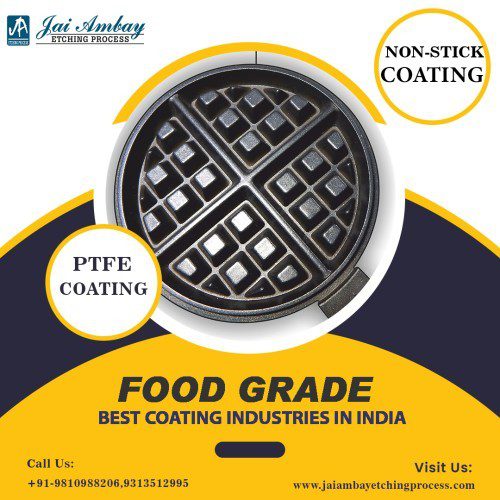
FEP Coating for Food Processing Trays and Tools
In food processing industries, food handling tools and trays need to be kept clean, safe, and easy to maintain. Trays, moulds, and tools used in food processing industries come into contact with food products every day. When food products stick to the metal surfaces of food handling tools and trays, several problems appear. It takes a long time to clean food products stuck to the trays and tools, and food handling becomes less safe.
To overcome this problem, food handling tools and trays are coated with FEP coating. This coating provides a smooth non-stick surface to food handling tools and trays. This helps food products to come out easily from the trays and tools. Hence, food processing industries prefer to use teflon FEP coating on food handling tools and trays.
In this article, we will learn about the fep coating process, benefits of fep coating for food handling tools and trays, and the difference between fep and ptfe coating..
Why Food Processing Equipment Requires Non Stick Coating
Anyone who has worked with food processing equipment is aware of the problem of how easily food can stick to metal surfaces. Dough, sugar, cheese, chocolate, and sauces are some of the food products that tend to stick to the surface of the equipment.
When food sticks to the surface of the equipment, the process has to be halted, and the surface of the equipment has to be cleaned. This not only slows down the process of production, but the surface of the food products may also get damaged.
A good FEP coating helps in this regard as the surface of the equipment remains smooth, preventing the food products from sticking. Non Stick coating helps in maintaining the hygiene of the food products as the surface of the equipment is easily cleaned, reducing the chances of food contamination.
What Is FEP Coating?
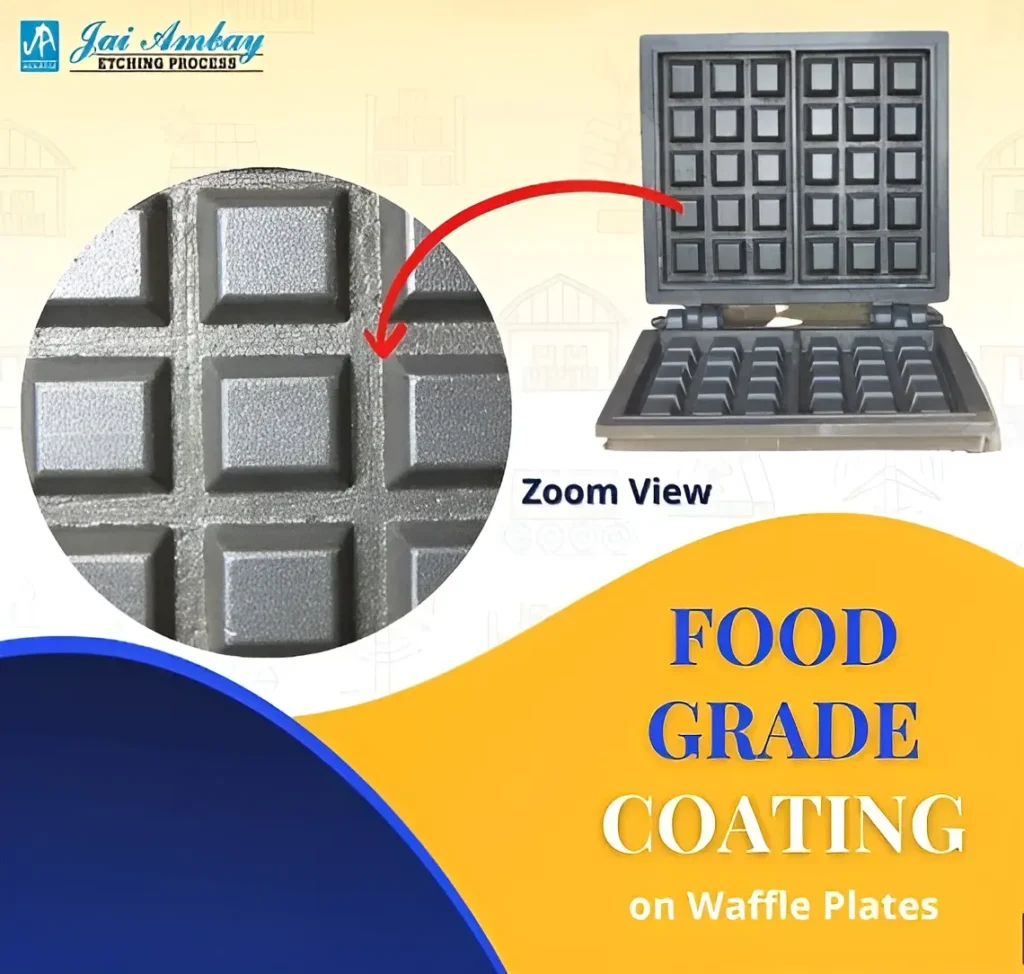
FEP coating is a type of fluoropolymer coating used to create non stick surfaces on metal equipment. FEP stands for Fluorinated Ethylene Propylene, which is a material known for its smooth surface and chemical resistance.
This coating belongs to the same family of materials as PTFE, which is commonly known as Teflon. Because of this relationship, FEP coatings are often called teflon FEP coatings.
When applied to food processing trays or tools, FEP coating forms a protective layer that prevents food from sticking to the metal surface. It also protects the equipment from moisture, chemicals, and corrosion.
How the FEP Coating Process Works
The FEP coating process has various steps that enable the FEP coating to adhere to the metal surface effectively.
Surface Preparation
The first step in the FEP coating process is the preparation of the equipment surface. The equipment is prepared by cleaning the surface, ensuring that there is no oil, dust, or any other contaminants on the surface.
Primer Application
The FEP coating process may include a primer coating that enables the FEP coating to adhere effectively to the metal surface.
Coating Application
The FEP coating is then applied to the equipment surface using the spray method. The FEP coating is then evenly distributed on the equipment surface.
Heat Curing
The FEP coating is then subjected to heat by placing the equipment in a hot oven. The FEP coating is melted, sticking to the equipment surface effectively.
Inspection and Finishing
The equipment is then inspected to ensure that the surface is smooth before it is put into use.
The FEP coating process is detailed, ensuring that the FEP coating is effective in meeting the purpose of the equipment.
Key Benefits of FEP Coating for Food Processing Trays
Food processing equipment is used in harsh environments. FEP coating offers many advantages that make the coating ideal for trays and tools used in the production of food products.
Non Stick Surface
The major advantage of FEP coating is its non stick nature. FEP coating is very effective in preventing the stickiness of food products.
Easy Cleaning of the Equipment
Food processing equipment can be easily cleaned with the help of FEP coating. Teflon FEP coating is very effective in this regard as the surface of the equipment does not stick with the food products.
Increased Efficiency in the Production Process
Food processing trays and tools with FEP coating are very effective in the production of food products as the products can be easily removed from the surface.
Chemical Resistance
Food processing involves the usage of oil and other chemical-based products. FEP coating is very effective in this regard as the surface of the equipment is resistant to such products.
Smooth Coating
The FEP coating also offers a smooth surface finish to the equipment.
Applications of FEP Coating in Food Processing
Many types of equipment used in food production benefit from FEP coating.
Baking Trays
Dough and baked products can stick easily to metal trays. FEP coating helps baked goods release smoothly from trays without breaking.
Food Processing moulds
Moulds used for shaping food products require smooth surfaces. The coating allows food products to separate easily from the mold.
Conveyor Components
Conveyor systems are used in the movement of food during different stages of production. FEP coating helps reduce friction and prevent food from sticking to the conveyor parts.
Mixing and Handling Tools
Mixing tools and spatulas are other areas where teflon FEP coating can be beneficial.
FEP vs PTFE – What Is the Difference?
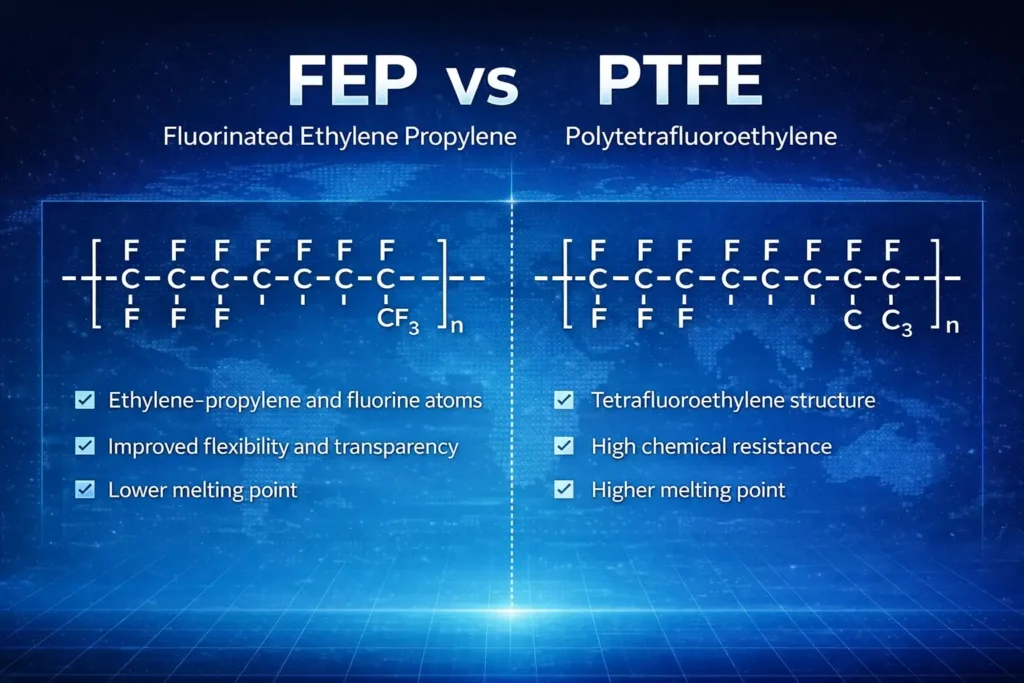
Some people compare FEP and PTFE when they are selecting a coating for food processing equipment. Both of these coatings are fluoropolymers, and they both offer good non-stick properties.
Surface Finish
FEP coatings tend to be smoother and shinier than PTFE.
Processing Method
FEP coatings are applied in such a way that the material melts as it dries, creating an even coat.
Flexibility
FEP coatings may be more flexible in some applications, fitting the equipment more easily.
Similar Performance
FEP and PTFE coating both offer good resistance to chemicals and non-stick properties.
Conclusion
Equipment used in food processing should always be clean, efficient, and safe to use every day. When food sticks to the surfaces of the mould , efficiency and cleanliness become compromised.
Applying FEP coating on food trays and tools helps food not stick to them, making them easy to clean.
Between FEP and PTFE, food trays and tools coated with either of the two will offer good non-stick characteristics. However, Teflon FEP coating is usually recommended when you need to have a smooth surface with good release characteristics.
For businesses seeking to improve efficiency and maintain good hygiene, applying FEP coating to food trays and tools could be a good option.
Frequently Asked Questions
1. What is FEP coating?
FEP coating is a non stick fluoropolymer coating that helps create a smooth surface on metal trays, moulds, and tools used in food processing.
2. Why is FEP coating used in food processing equipment?
FEP coating is used in food processing equipment as it prevents food from sticking to the trays and tools.
3. Is FEP coating safe for food processing?
Yes, FEP coating is safe for food processing as it is commonly used on food processing equipment.
4. What is the difference between FEP and PTFE coating?
FEP coating is a type of fluoropolymer coating, just like PTFE, which is used as a non-stick coating.
5. Which equipment can I coat with FEP coating?
FEP coating is applied to baking trays, food molds, conveyor belts, mixing tools, and other metal equipment used in food processing.
6. Does FEP coating help food release easily?
Yes, FEP coating helps food release easily from the trays and tools.
7. How does FEP coating improve the cleaning of the equipment?
FEP coating makes the equipment easier to clean as food does not stick to the surface.
8. Can FEP coating protect metal equipment?
Yes, FEP coating protects the metal equipment from corrosion.
9. How long does FEP coating last?
FEP coating lasts a long time before the trays and tools need recoating.
10. How can I get FEP coating for my food processing equipment?
You can contact Jai Ambay Etching Process with the specifications of the trays and tools, and we shall guide you accordingly.
