

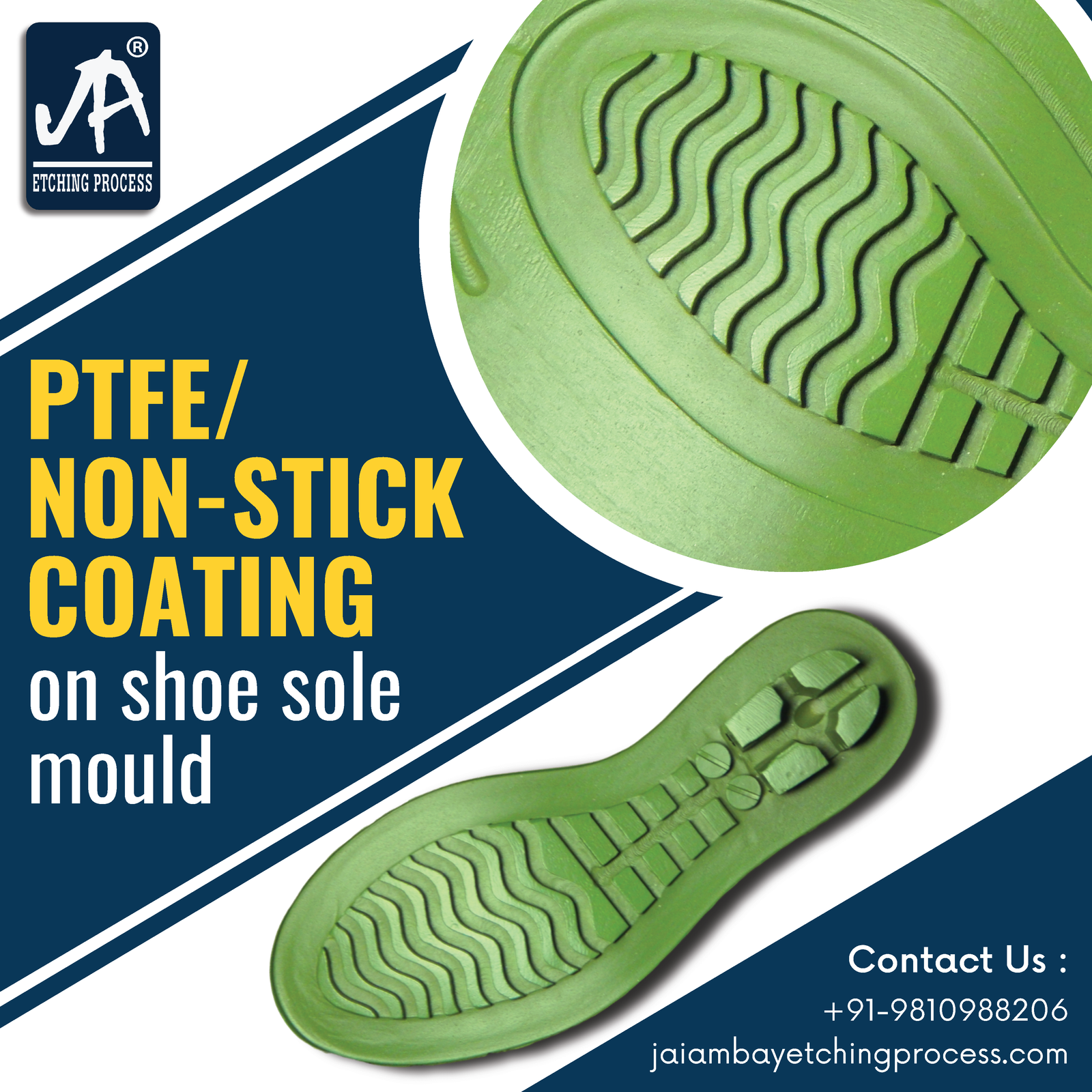
PTFE Teflon: What It Is, How It Works, and Why You Need
Summery : Ptfe coating is a special plastic coating that stops things from sticking, rusting, or getting damaged by heat or chemicals. It is used in cookware, pipes, machines, and hundreds of other products. It lasts long, costs less to maintain, and protects surfaces better than most other coatings.
What Is PTFE Teflon?
You have probably seen a frying pan with a black shiny surface. Food does not stick to it. You can cook eggs without using much oil. That black surface is most likely a PTFE Teflon coating.
PTFE stands for polytetrafluoroethylene. It is a type of plastic made from carbon and fluorine atoms. The chemical name sounds hard, but the material is simple to understand. It is slippery, heat-resistant, and nothing sticks to it easily.
Teflon is just the brand name. DuPont first made it in 1938. Since then, PTFE Teflon has gone from kitchen pans to space technology.
Why Is PTFE Teflon So Popular?
Industries love PTFE Teflon coating for a clear reasons:
- Nothing sticks to it. Chemicals, food, grease, and water all slide right off.
- Handles high heat. It can work safely up to 260°C (500°F).
- Resists chemicals. Acids and solvents do not damage it.
- Lasts a long time. A good non stick coating made from PTFE can serve for years.
- Reduces friction. Moving parts wear out less when coated with PTFE.
These some reasons make PTFE coating useful in more than just kitchens.
Real Use Cases: Where PTFE coating is Used
Most of the people think PTFE coating is only for pans. That is not true. I have to give you some real examples of where polytetrafluoroethylene Teflon does important work:
1. Cookware and Kitchen Appliances
The most well-known use. Pans, woks, sandwich makers, and waffle irons all use PTFE Teflon as a non stick coating. Food does not stick, cleaning is easy, and you use less oil.
2. Industrial Pipes and Valves
Chemical factories handle dangerous liquids every day. These liquids would damage ordinary metal pipes fast. PTFE coating lines the inside of pipes and valves so chemicals cannot react with the metal surface.
3. Medical Equipment
PTFE is safe for the human body. Doctors use it in catheters, surgical tools, and implants. It does not cause reactions inside the body.
4. Electrical Wires and Cables
Teflon PTFE coating insulates electrical wires. It handles extreme temperatures and keeps electricity from leaking out of wires.
5. Aerospace and Automotive Parts
Planes and cars have many moving parts. PTFE coating reduce friction between these parts. Less friction means less heat, less wear, and longer part life.
6. Textile and Paper Industry
Conveyor belts in fabric and paper factories get coated with PTFE Teflon coating so materials slide smoothly and do not get stuck during production.
Problem + Solution: How Common Issues PTFE Teflon Solves
Many industries face problems that PTFE coating fixes directly. Here are the most common ones:
Problem 1: Metal surfaces corrode and rust quickly
Pipes, tanks, and machine parts in factories are always in contact with water, chemicals, or moisture. Without protection, they rust within months. Replacing them is expensive.
Solution: Apply a PTFE Teflon coating on the metal surface. It acts as a barrier. Water and chemicals cannot reach the metal underneath. The part lasts much longer without rusting.
Problem 2: Moving parts create too much friction and wear out fast
In machines like pumps, gears, and bearings, parts rub against each other thousands of times per minute. This causes heat and wear. Parts break down faster.
Solution: A thin PTFE coating reduces friction between moving parts. They slide instead of grind. This saves repair costs and extends machine life.
Problem 3: Food sticks to cooking surfaces and burns
Without a proper non stick coating, cooking becomes difficult. Food burns, sticks, and damages the pan. Cleaning takes too much time and effort.
Solution: PTFE Teflon coated cookware solves this. Food releases easily. Clean-up takes seconds. You also use less butter and oil, which is healthier.
Problem 4: High temperatures damage ordinary coatings
Many standard coatings crack or peel when they get too hot. In industrial ovens, automotive engines, or electrical systems, ordinary coatings fail.
Solution: Polytetrafluoroethylene Teflon stays stable up to 260°C. It does not melt, crack, or peel under high heat. Manufacturers trust it for extreme-temperature applications.
PTFE Teflon coating vs Other Coatings: Which Is Better?
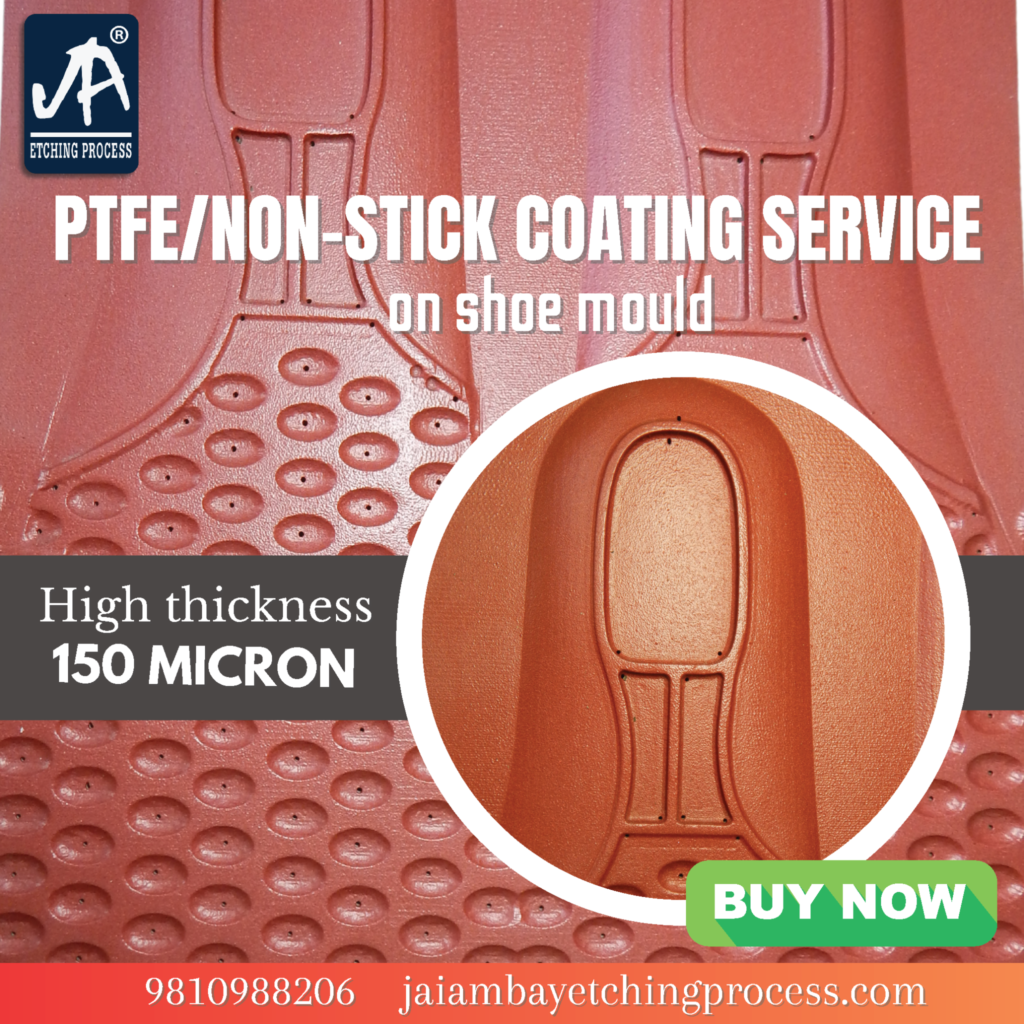
Here is a simple comparison table to help you decide which coating is right for your needs.
Comparison Table: PTFE coating vs Other Common Coatings
| Feature | Ptfe Coating | Ceramic Coating | Epoxy Coating | Hard Chrome Plating |
| Non-Stick Property | Excellent | Good | Poor | Poor |
| Heat Resistance | Up to 260°C | Up to 400°C | Up to 120°C | Up to 650°C |
| Chemical Resistance | Excellent | Moderate | Good | Moderate |
| Friction Reduction | Excellent | Moderate | Poor | Good |
| Food Safety | Yes (FDA approved) | Yes | No | No |
| Durability | High | Moderate | High | Very High |
| PTFE Coating Price | Affordable | Affordable | Low | Expensive |
| Best For | Cookware, pipes, machines | Cookware, medical | Industrial tanks | Heavy machinery |
As you can see from the table, PTFE Teflon coating offers the best balance of non-stick performance, chemical resistance, heat tolerance, and food safety at a fair price.
What Is the PTFE Coating Price?
The PTFE coating price depends on several factors:
- Size of the surface being coated
- Number of layers needed
- Type of application (industrial vs. consumer)
- Location and service provider
For small consumer items like pans, the PTFE coating price is usually built into the product cost. For industrial coating services, prices are typically quoted per square foot or per piece.
PTFE Coating Price in India (Approx)
- ₹50 to ₹150 per sq. ft. (basic coating)
- ₹150 to ₹400+ per sq. ft. (heavy or multi-layer coating)
- Small parts: ₹500 to ₹5000 per piece (depends on size and design)
Exact price is given after checking the sample or drawing.
Generally, PTFE coating is very cost-effective when you think about the long-term savings. You spend less on repairs, replacements, and maintenance when surfaces are properly coated.
Is PTFE Coating Expensive?
PTFE coating may look costly at first, but it saves money in the long run:
- No rust
- Smooth surface
- Low maintenance
- Longer life of parts
Simple: Do coating once, save repair cost again and again
How Is PTFE Teflon Coating Applied?
The coating process is straightforward. Here is how it works step by step:
Step 1 – Surface Preparation The surface is cleaned and sometimes sandblasted. This helps the coating stick properly.
Step 2 – Primer Application A primer layer is applied first. This acts as a base so the PTFE Teflon coating layer bonds well to the surface.
Step 3 – PTFE Layer Application The PTFE coating is sprayed or dipped onto the surface. Multiple layers may be applied depending on the need.
Step 4 – Curing The coated item goes into a high-temperature oven. Heat cures the coating and makes it hard and durable.
Step 5 – Quality Check The coated surface is tested for thickness, adhesion, and performance before use.
Is PTFE Teflon Safe to Use?
Yes, PTFE Teflon is safe when used correctly. The U.S. Food and Drug Administration (FDA) approves it for food contact applications.
One important thing to know: do not overheat PTFE-coated cookware. At temperatures above 260°C, the coating can start to break down. This can release fumes that irritate the lungs. Always use it on low to medium heat for cooking.
Also, avoid using metal utensils on PTFE-coated surfaces. They can scratch the coating. Use silicone or wooden tools instead.
How to Choose the Right PTFE Coating for Your Needs
Not every PTFE coating is the same. Here are simple tips to help you choose:
- For cooking: Look for FDA-approved non stick coating with multiple PTFE layers. Thicker coating lasts longer.
- For industrial use: Choose industrial-grade PTFE Teflon coating applied by a professional coating service.
- For electrical parts: Look for PTFE insulation rated for your voltage and temperature requirements.
- For pipes and valves: Make sure the coating is rated for the chemicals it will contact.
Key Facts About PTFE Teflon
- PTFE was discovered by accident in 1938 by Roy Plunkett at DuPont
- Teflon is a registered brand name for PTFE made by Chemours (formerly DuPont)
- PTFE has one of the lowest friction coefficients of any solid material
- It is used in over 50 different industries worldwide
- Polytetrafluoroethylene Teflon is chemically inert — it does not react with almost anything
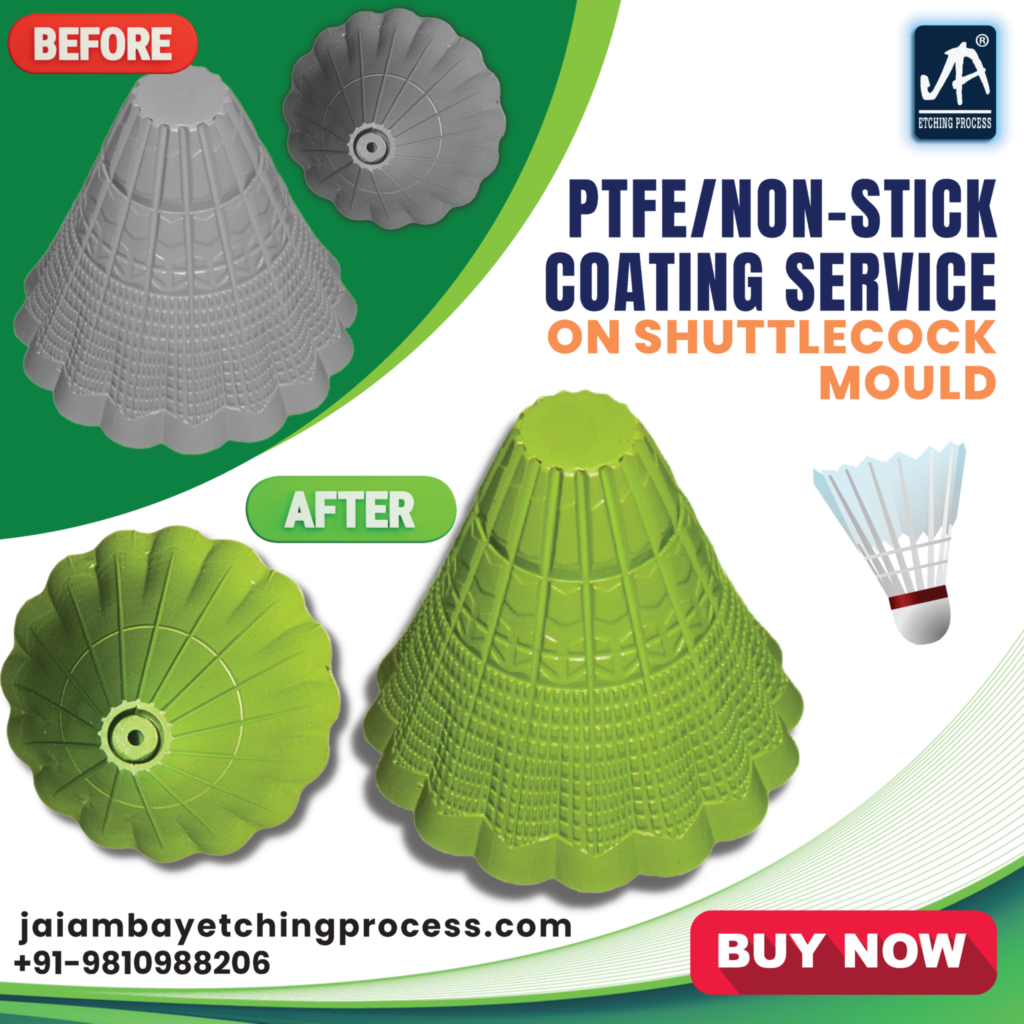
- PTFE coating can be applied to metal, glass, rubber, and some plastics
- The coating adds very little weight or thickness to surfaces
- PTFE coating is environmentally stable and does not degrade easily
Conclusion: Is PTFE Teflon Worth It?
Absolutely yes. Whether you run a kitchen, manage a factory, work in healthcare, or build machines — PTFE Teflon delivers real value.
It protects surfaces. It reduces maintenance costs. It makes work easier and cleaner. And it lasts longer than most alternatives. The PTFE coating price is easy to justify when you look at how much money and time it saves in the long run.
If you are looking for a reliable non stick coating that handles heat, chemicals, and daily wear without breaking down — polytetrafluoroethylene Teflon is the clear answer.
Frequently Asked Questions
Q: What does PTFE stand for?
PTFE stands for polytetrafluoroethylene. It is a synthetic fluoropolymer plastic.
Q: Is Teflon the same as PTFE?
Yes. Teflon is simply the brand name for PTFE. Both refer to the same material.
Q: What is the maximum heat PTFE can handle?
PTFE Teflon is safe up to 260°C (500°F). Beyond that, it can start to degrade.
Q: How long does a PTFE coating last?
With proper care, a PTFE Teflon coating can last 3 to 5 years on cookware and much longer on industrial equipment.
Q: Can PTFE coating be repaired?
In most cases, damaged PTFE coating needs professional reapplication. You cannot patch it at home.
Q: What is the PTFE coating price for industrial use?
Prices vary widely. A professional service provider gives you a quote based on the area to be coated, number of layers, and type of substrate.Looking for professional Best PTFE Teflon coating services? Always choose a certified provider with proven experience in your industry.