

E-Coating
Table of Contents
E-Coating: A Modern Method for Durable and Uniform Finishing
Introduction
E-Coating, short for Electrophoretic Coating, is a modern and efficient method used to apply protective paint or coating to metal parts. It combines the principles of electric current and chemical coating to achieve an even, durable, and corrosion-resistant finish. This process is widely used in industries like automotive, appliances, furniture, and electronics because it provides excellent protection and a smooth surface finish.
What is E-Coating
E-Coating is a painting process that uses electricity to deposit paint particles onto a metal surface. The part to be coated is dipped into a tank filled with a water-based paint solution. Then, by applying an electric charge, the paint particles move toward the metal surface and form a uniform, tightly bonded layer.
Think of it as electroplating, but instead of metal ions, paint particles are deposited using electric energy.
How Does the Process Work?
The E-Coating process involves several key steps:
- Cleaning and Pretreatment
Before coating, the metal parts are thoroughly cleaned to remove oil, grease, rust, or dirt. This ensures proper adhesion of the paint. The parts may go through several stages of washing and chemical treatment to create a smooth and clean surface. - E-Coating Application
The cleaned parts are dipped into an E-Coat tank that contains the water-based paint. An electrical voltage is applied, causing the paint particles (which are charged) to migrate and attach evenly to the metal surface.- Cathodic E-Coating (CED): The most common method, where the part acts as the negative electrode (cathode).
- Anodic E-Coating (AED): The part acts as the positive electrode (anode). This method is less common today.
- Rinsing
After coating, the parts are rinsed with deionized water to remove excess paint and ensure a smooth finish. - Baking or Curing
Finally, the coated parts are placed in an oven at high temperature (around 150–200°C). The heat cures the paint film, making it hard, durable, and resistant to corrosion and chemicals.
Advantages
E-Coating offers many benefits over traditional painting methods:
- Uniform Coating Thickness: The electric charge ensures even coating, even on complex shapes or hidden areas.
- Excellent Corrosion Resistance: Provides strong protection against rust, moisture, and chemicals.
- Durability: The cured coating is tough, scratch-resistant, and long-lasting.
- Environmentally Friendly: Uses water-based paints with low VOC (Volatile Organic Compounds), making it eco-friendly.
- Cost-Effective: High material efficiency (over 95% paint usage) reduces waste.
- Good Adhesion Base: Works well as a primer for powder coating or topcoats.
Applications
E-Coating is used across many industries due to its versatility:
- Automotive Industry: Car bodies, chassis, and small components for corrosion protection.
- Appliances: Washing machine drums, refrigerator parts, and other metal components.
- Furniture: Metal chairs, tables, and frames for durability and attractive finish.
- Agricultural Equipment: Tractors and tools exposed to harsh environments.
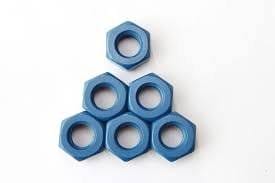
- Electronics and Hardware: Small metal parts needing protective coating.
Types
There are mainly two types of E-Coating systems:
- Anodic E-Coating (AED) – Older method where the paint film forms on the anode. It offers good coverage but less corrosion resistance.
- Cathodic E-Coating (CED) – Modern and widely used system where the coating forms on the cathode. It provides excellent corrosion protection and is ideal for automotive use.
E Coating vs. Other Coating Methods
| Feature | E-Coating | Powder Coating | Spray Painting |
|---|---|---|---|
| Coating Uniformity | Excellent | Good | Average |
| Coverage of Complex Shapes | Excellent | Moderate | Poor |
| Corrosion Resistance | Very High | High | Moderate |
| Environmental Impact | Low (Water-based) | Medium | High (Solvent-based) |
| Cost Efficiency | High | Medium | Low |
Conclusion
E-Coating is a highly reliable and environmentally friendly finishing process that ensures long-lasting protection, uniform appearance, and high efficiency. It has become a preferred choice for manufacturers who want to achieve both quality and sustainability in their coating operations. Whether used as a primer or a final coat, E-Coating continues to be an essential technology in modern surface finishing.
