

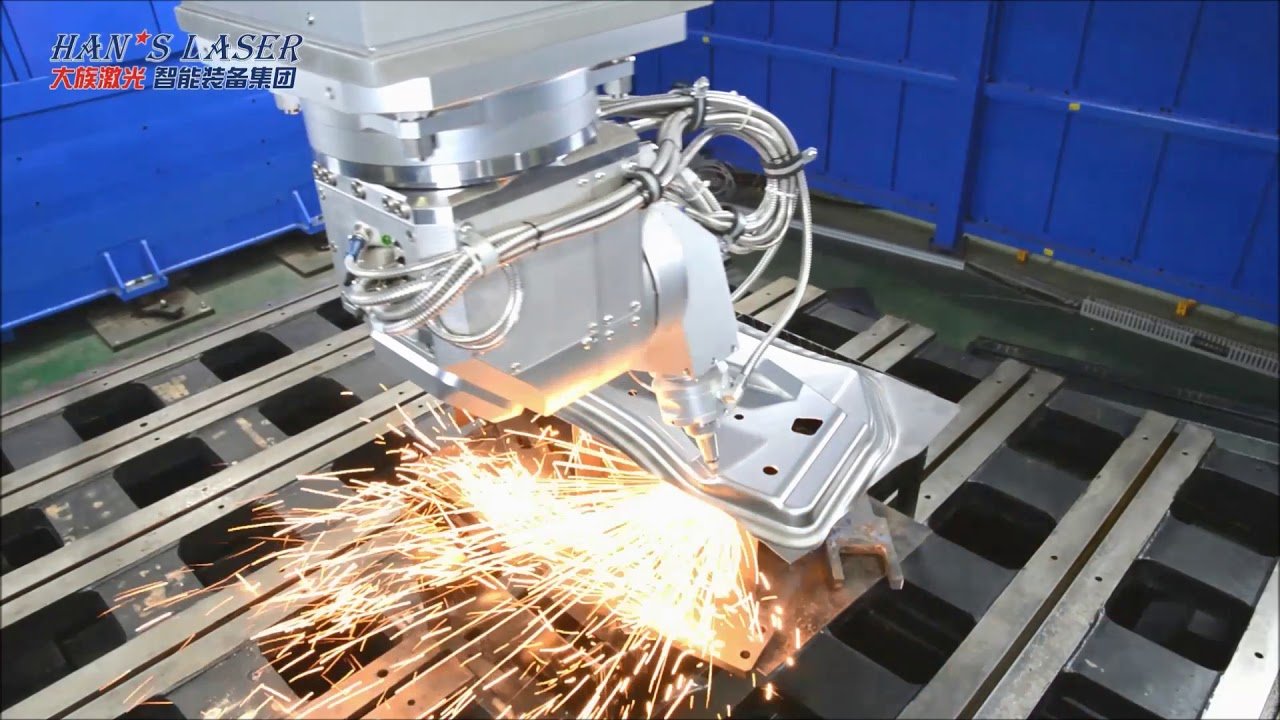
Laser Engraving
Table of Contents
Laser Engraving: Precision Meets Creativity
Introduction
Laser engraving is a modern technology that uses a focused beam of light to mark, etch, or carve designs onto the surface of a material. It’s a precise and permanent method widely used for personalizing products, industrial marking, and creative art. From customizing jewelry and trophies to engraving barcodes on tools and machinery, laser engraving combines accuracy, speed, and beauty in one process.
How Works
Laser engraving works by directing a high-powered laser beam onto a surface. The intense heat generated by the laser vaporizes or removes the top layer of the material, creating a visible mark or design. The laser is controlled by a computer, allowing it to follow exact patterns, shapes, or text as designed in special software.
The process involves three main steps:
- Design Creation:
A digital design or logo is prepared using computer software (like CorelDRAW, AutoCAD, or similar). - Laser Setup:
The material is placed in the engraving machine, and the laser settings (power, speed, and frequency) are adjusted depending on the type of surface. - Engraving Process:
The laser follows the programmed design, engraving it permanently with high precision and consistency.
Types of Machines
There are several types of laser engraving systems, each suited for specific materials and purposes:
- CO₂ Laser Engravers:
These use a carbon dioxide gas laser and are ideal for engraving wood, leather, glass, paper, plastic, and acrylic. - Fiber Laser Engravers:
They use fiber optics to generate a strong laser beam, best for metals such as stainless steel, aluminum, brass, and titanium. - Diode Laser Engravers:
Compact and affordable, diode lasers are suitable for smaller projects and softer materials like wood and leather.
Materials Used for
Laser engraving works on a wide variety of materials, including:
- Metals: Stainless steel, aluminum, brass, copper, gold, and silver
- Wood: Plywood, hardwood, MDF, and bamboo
- Plastics: Acrylic, ABS, PVC, and polycarbonate
- Glass and Crystal: Decorative glass items and trophies
- Leather and Fabrics: Wallets, belts, and branding labels
Each material reacts differently to the laser, so adjusting the beam intensity and speed is essential to get clean and sharp results.
Advantages
- High Precision:
Lasers can engrave even the smallest details or fine lines with perfect accuracy. - Permanent and Durable:
The marks created by laser engraving don’t fade, peel, or wear off, making them ideal for long-lasting use. - Versatile Application:
It can be used on many materials and for various purposes—from industrial labeling to decorative art. - Non-Contact Process:
The laser beam doesn’t physically touch the material, reducing the risk of damage or wear. - Eco-Friendly and Cost-Effective:
Laser engraving doesn’t require chemicals or inks, making it clean and low-maintenance.
Applications
Laser engraving is used in almost every industry today. Some common applications include:
- Personalization: Custom names or designs on gifts, jewelry, and promotional products.
- Industrial Marking: Barcodes, serial numbers, and logos on machine parts and tools.
- Signage and Branding: Company logos on boards, awards, and office items.
- Art and Design: Intricate patterns on wood, metal, or acrylic for home décor.
- Electronics: Labeling components and circuit boards for traceability.
Laser Engraving vs. Laser Cutting
Although both use lasers, the main difference lies in their purpose:
- Laser Engraving removes only the surface layer to create markings or designs.
- Laser Cutting goes all the way through the material to cut out shapes or parts.
Often, both techniques are combined to create beautiful, detailed designs with engraved surfaces and cut-out edges.
Conclusion
Laser engraving has become an essential technology in modern manufacturing, art, and design. Its ability to combine precision, speed, and creativity has opened endless possibilities for businesses and individuals alike. Whether it’s a personalized gift, a company logo, or an industrial marking, laser engraving ensures every piece tells a lasting story — with light as the tool and imagination as the guide.