


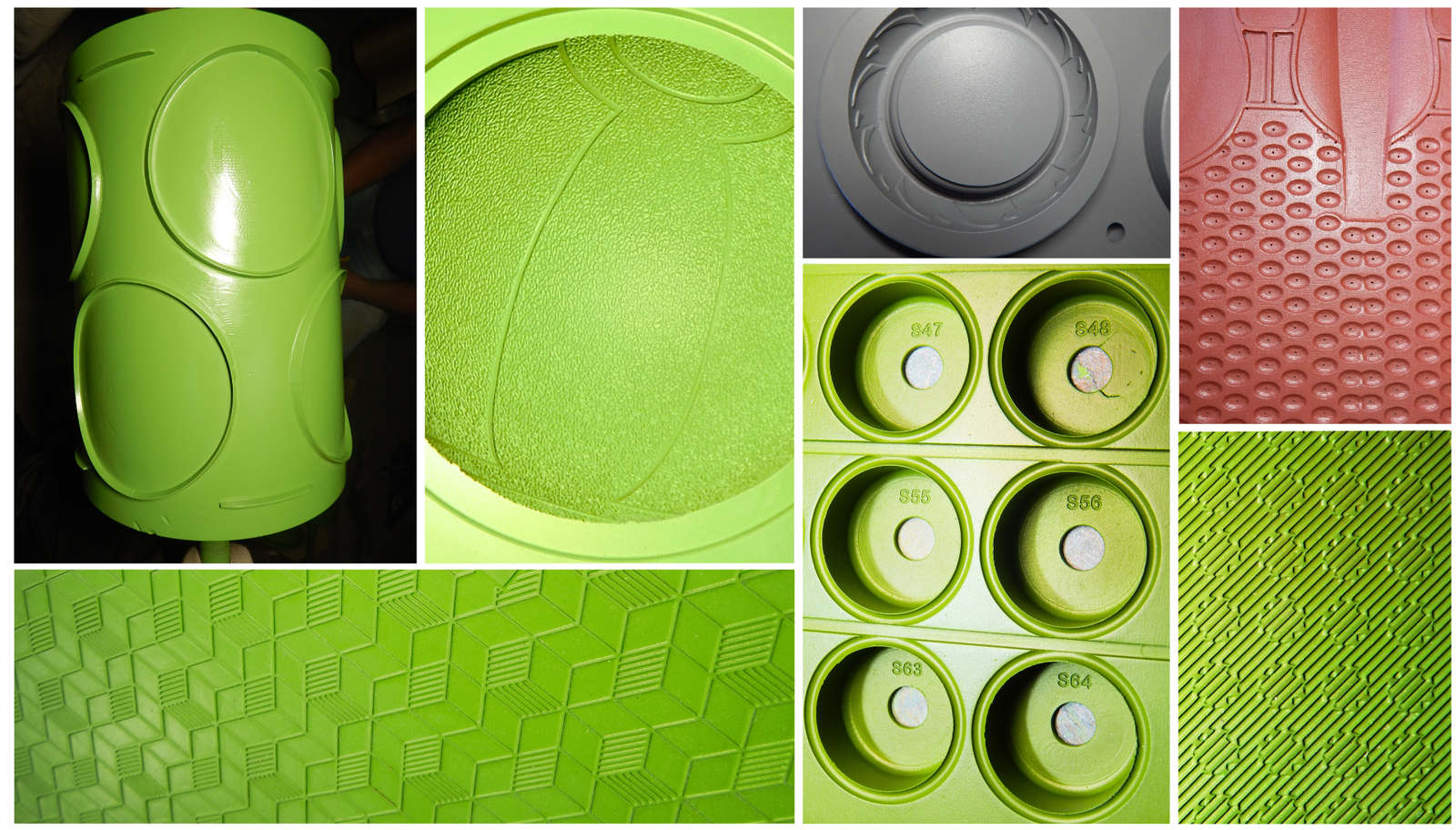
PTFE Non Stick Coating Service in Bengaluru for Moulds
When a mould starts sticking during production, it can create more work than expected. Parts may become difficult to release, operators may spend extra time cleaning the mould, and the production process can be stopped or slow down.
A suitable PTFE coating service provider can help solve these surface-related problems.
Jai Ambay Etching Process provides Best PTFE Non Stick Coating Service in Bengaluru specifically for moulds. With 30+ years of experience, we understand that every mould has different working conditions, surface requirements, and production challenges.
We do not simply apply a coating and consider the job complete. We first understand the mould, inspect its surface, discuss the problem, and then follow a suitable treatment process.
Along with PTFE coating, we provide Mould Texturing Service and Chemical Etching Service in Bengaluru.
What Is PTFE Non-Stick Coating for Moulds?
PTFE stands for Polytetrafluoroethylene. It is known for its non stick and low-friction properties.
When a suitable PTFE coating is applied to a mould surface, it creates a layer that can help reduce unwanted sticking. This can make mould release easier in suitable production applications.
PTFE coating may be considered when a mould:
- Has repeated sticking problems
- Needs better release properties
- Requires a low-friction surface
- Needs easier surface cleaning
- Requires a non-stick surface for its production process
However, PTFE coating is not a one-solution-fits-all treatment.
The condition of the mould, working temperature, existing surface, production environment, and expected result should be understood before choosing a coating.
That is why proper inspection matters.
Why Choose PTFE Non-Stick Coating for Your Mould?
A mould is an important production tool. If its working surface does not perform properly, even a small release problem can affect daily production.
PTFE coating can provide a practical solution where non-stick and low-friction properties are required.
Depending on the mould and its application, the coating may help provide:
- Easier mould release
- Reduced unwanted sticking
- Lower surface friction
- Easier mould cleaning
- Smoother production
- More consistent release performance
The actual result depends on the mould, coating system, surface preparation, working conditions, and production process.
Jai Ambay Etching Process prefers to understand the actual problem before suggesting a treatment. This helps us recommend a process based on the mould rather than applying the same solution to every job.
How Does PTFE Coating Help With Mould Release?
Imagine a mould that works continuously during production. If the moulded part starts sticking to the surface, the operator may need additional time and effort to release it.
When the same problem happens repeatedly, it can affect the production flow.
A properly selected PTFE coating provides a low-friction, non-stick surface that help reduce this sticking in suitable applications.
But there is an important point: not every sticking problem has the same cause.
Before starting a PTFE coating work, we consider the condition of the mould and where the sticking occurs. We also look at the existing surface and understand the working environment.
This practical evaluation helps determine whether PTFE coating is suitable for the mould.
Step-by-Step PTFE Non-Stick Coating Process
Good coating work starts with good preparation. Applying PTFE non stick coating without properly understanding and preparing the mould may affect the final result.
Simple overview of our process.
Step 1: Understanding Your Mould Problem
We begin by discussing the mould and the issue you are facing.
- Is the mould sticking?
- Is release becoming difficult?
- Do you need a non stick surface?
- Which area needs treatment?
These details help us to understand the purpose of the coating.
Step 2: Inspecting the Mould Surface
We inspect the existing mould surface before processing.
The condition of the surface, previous treatment, contamination, damage, and other factors can influence how the work should be handled.
This inspection helps us decide the next steps.
Step 3: Cleaning the Mould
A mould surface may contain oil, grease, dirt, or other unwanted contamination.
The required surface is cleaned before further preparation. Proper cleaning is important because the coating needs a correctly prepared base.
Step 4: Preparing the Surface
The mould surface is then prepared according to the selected coating process.
Surface preparation can vary depending on the mould and its existing condition. This stage is important for achieving a suitable coating result.
Step 5: Protecting Areas That Do Not Need Coating
In some moulds, only specific areas require PTFE coating treatment.
Areas that should remain untreated are protected as required. This allows us to focus the coating process on the intended mould surface.
Step 6: Applying the PTFE Coating
After preparation, the selected PTFE coating is applied to the required area.
The application is controlled to create a suitable and consistent coated surface.
The exact coating system depends on the mould and application requirements.
Step 7: Curing or Required Treatment
Depending on the coating system, the coated mould may require controlled curing or another treatment process.
The required process conditions vary according to the coating and mould requirements.
Step 8: Final Inspection
After processing, we inspect the treated mould surface before completing the job.
This final check helps us confirm that the required areas have been processed correctly.
The exact process may vary from one mould to another. Our approach depends on the mould condition, coating requirement, and intended application.
Why Surface Preparation Matters
Surface preparation is one of the most important parts of PTFE coating.
A coating should not simply be applied over an unsuitable or contaminated mould surface. Oil, dirt, an existing surface treatment, or other conditions can affect the coating process.
This is where experience makes a difference.
With more than 30 years of experience, Jai Ambay Etching Process understands mould surface preparation and treatment. We look at the complete job—from initial inspection to final checking.
Local PTFE Non Stick Coating Service in Bengaluru
Bengaluru has a strong manufacturing and engineering ecosystem. Companies using moulds need dependable support when a surface problem starts affecting production.
Jai Ambay Etching Process provides Ptfe Non Stick Coating in Bengaluru for businesses that need professional mould surface treatment.
When you contact us, you do not need to know the exact treatment your mould requires. You can simply explain the problem.
For example, tell us:
- Where the mould is sticking
- What result you expect
- The condition of the mould
- Its working environment
- Whether it already has a coating or texture
Our team understands the requirements and discusses a suitable solution.
For customers in Bengaluru, we also provide mould texturing and chemical etching services. This allows you to discuss different mould surface requirements with one experienced team.
Mould Texturing Service in Bengaluru
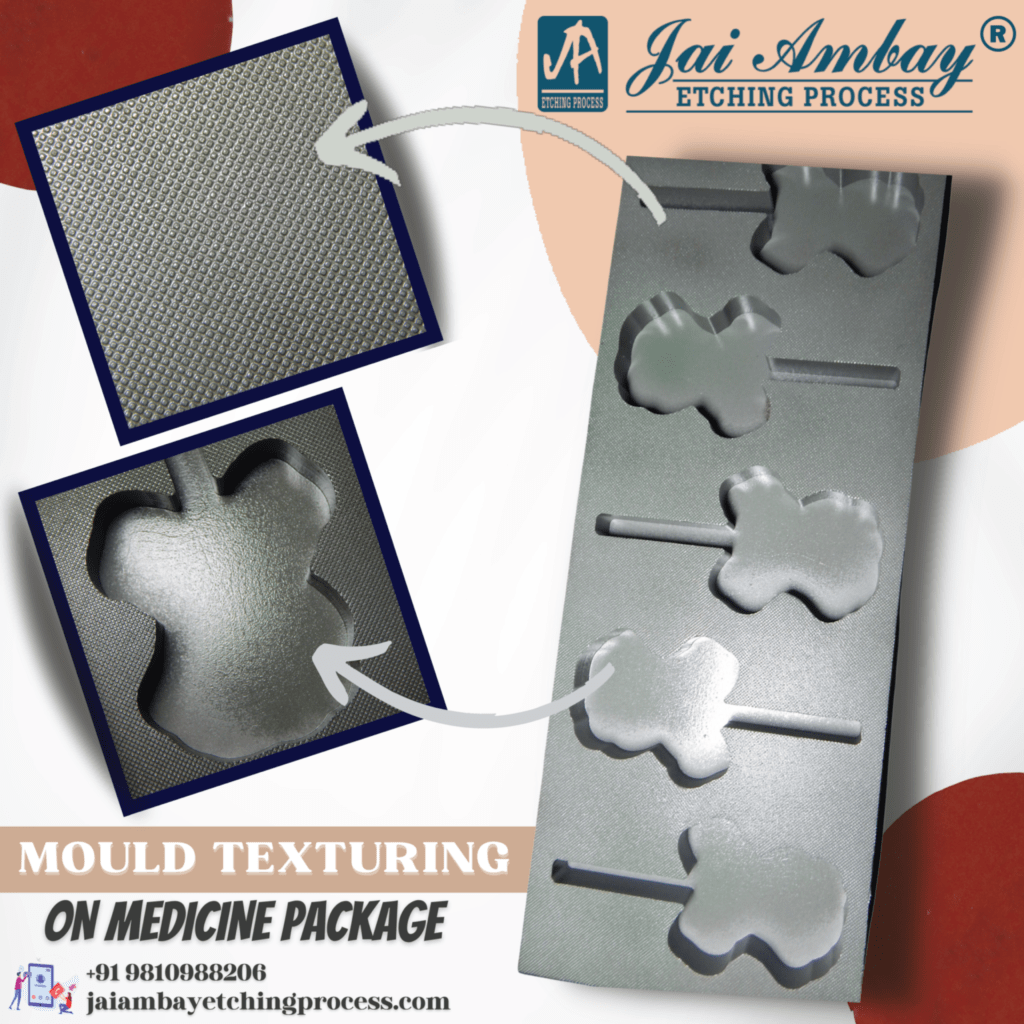
A mould does more than give a component its shape. Its surface can also determine the final appearance of the moulded component.
Jai Ambay Etching Process provides Mould Texturing Service in Bengaluru for customers who require specific textures and surface patterns on their moulds.
The right texture depends on the required appearance, mould geometry, surface condition, and production requirements.
We first understand the expected result and then consider a suitable texturing method.
Our long experience with mould surfaces helps us handle different texturing requirements with a practical approach.
Chemical Etching Service in Bengaluru for Moulds
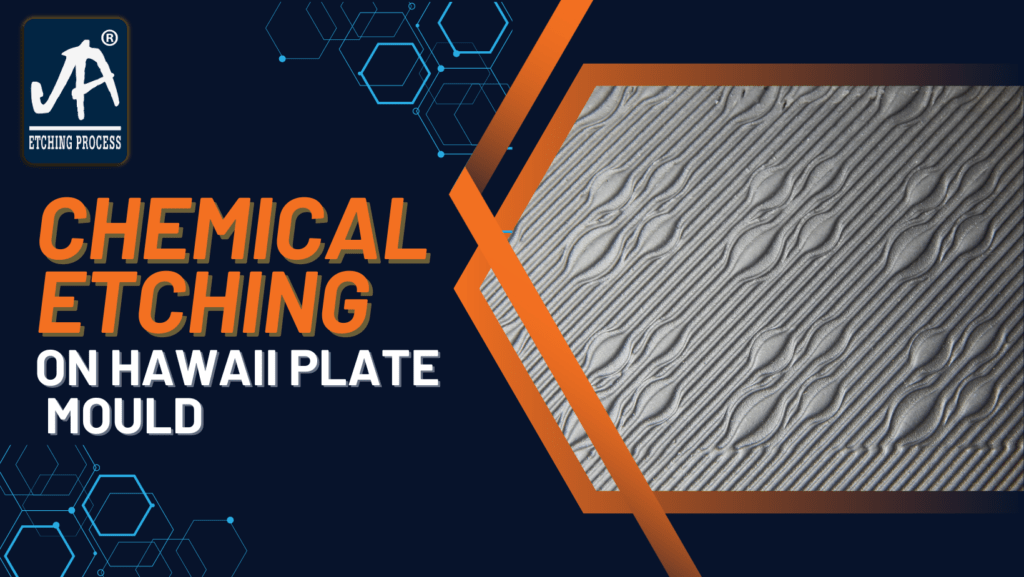
Chemical etching is another established method used to create textures on mould surfaces.
Jai Ambay Etching Process, we provide Chemical Etching Service in Bengaluru for mould texturing requirements.
The process requires proper preparation, masking, pattern control, and careful processing to develop the required surface texture.
Different moulds may require different approaches. The design, mould geometry, surface condition, and required finish all need to be considered.
Our 30+ years of experience gives us practical knowledge of mould surface treatment and texturing requirements.
Why Choose Jai Ambay Etching Process?
Experience matters when you are working on a production mould.
Jai Ambay Etching Process has 30+ years of experience in mould surface treatment. Over the years, we have developed practical knowledge of different mould surface requirements and processes.
Customers approach us for:
- PTFE non-stick coating for moulds
- Mould texturing
- Laser mould texturing
- Chemical etching
- Mould surface treatment guidance
- Requirement-based process selection
We believe a good service starts by understanding the problem.
If your mould is sticking, tell us where and when it happens. If you need a texture, show us the finish you want. This information helps us understand your requirement before starting the work.
Talk to Us About Your Mould Requirement in Bengaluru
If your mould is sticking, not releasing properly, or needs a specific surface texture, the first step is to understand the actual problem.
You do not need to decide on a treatment before contacting us.
Share your mould details, surface condition, production problem, and expected result with Jai Ambay Etching Process. With 30+ years of experience, our team can understand your requirement and discuss a suitable surface treatment process.
Whether you require PTFE Non Stick Coating in Bengaluru, mould texturing, laser mould texturing, or chemical etching, our focus remains the same: understand the mould first and then choose the right process.
Frequently Asked Questions
What is PTFE coating used for on moulds?
PTFE coating provides non-stick and low-friction surface properties. In suitable applications, it can help reduce sticking and make mould release easier.
Where can I get PTFE Non Stick Coating Service in Bengaluru?
Jai Ambay Etching Process provides Ptfe Non Stick Coating Service in Bengaluru specifically for mould surface requirements.
Can PTFE coating solve every mould sticking problem?
Not necessarily. Sticking can happen for different reasons. The mould, surface condition, working environment, and production requirements should be evaluated before selecting PTFE coating.
Do you provide mould texturing in Bengaluru?
Yes. We provide Mould Texturing Service in Bengaluru for different mould texture and surface requirements.
Do you offer laser mould texturing?
Yes. Jai Ambay Etching Process provides Laser Mould Texturing Service in Bengaluru for suitable mould projects.
Do you provide chemical etching for moulds?
Yes. We provide Chemical Etching Service in Bengaluru for mould texturing requirements.
How much experience does Jai Ambay Etching Process have?
We have more than 30 years of experience in mould surface treatment and related processes.
