

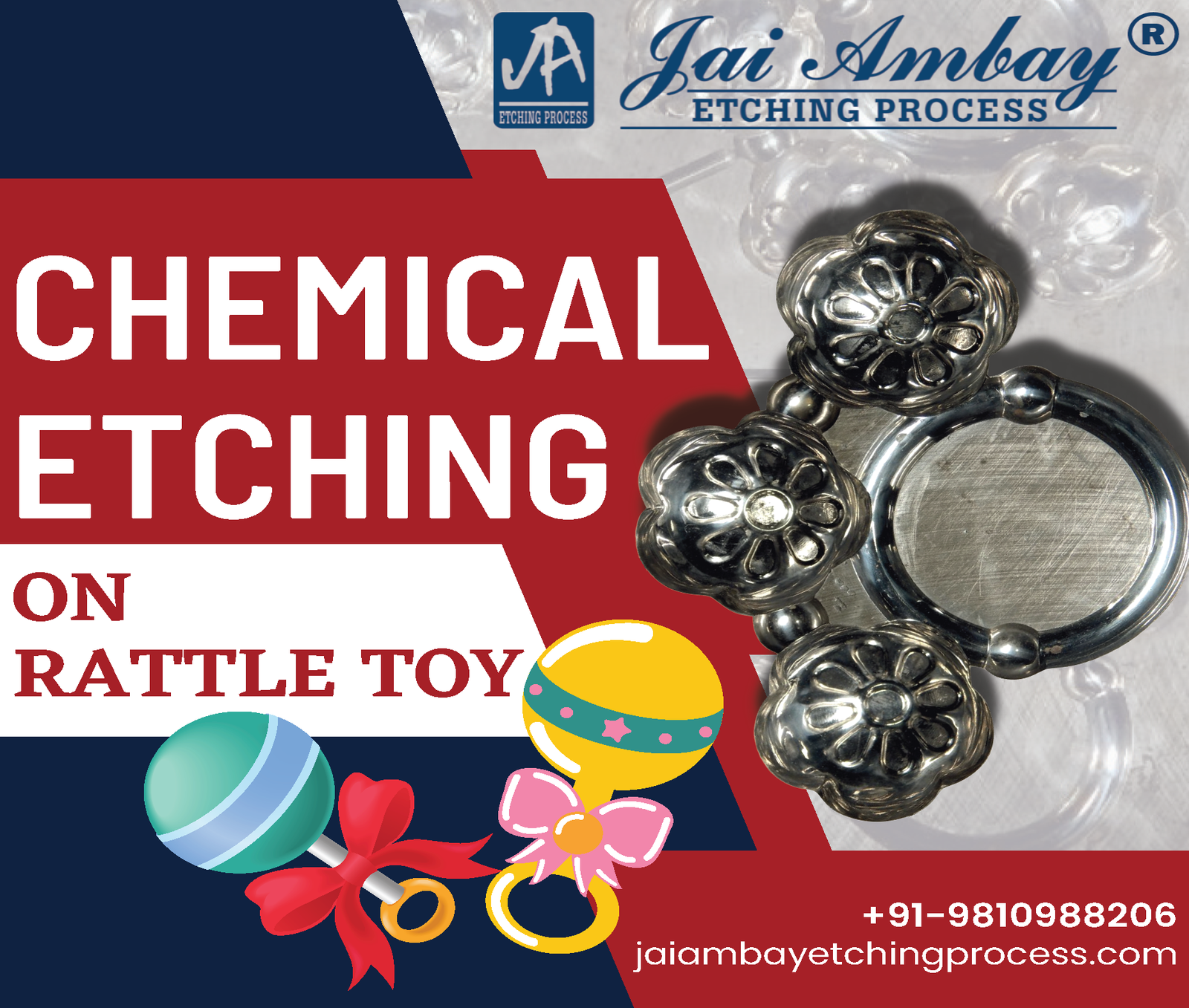
Chemical Etching Service in Pune for Mould Texturing
A small texture can make a big difference to the final look of a moulded part. A fine grain can give it a clean finish, while a deeper pattern can create a completely different appearance.
But a good texture starts with the mould.
Creating that texture takes more than simply making the mould surface rough. The pattern needs to look right, cover the correct area, and work with the shape of the mould.
Jai Ambay Etching Process provides Chemical Etching Service in Pune for mould work. With 30+ years of experience, our team understands mould surfaces, texture patterns, and the care needed while working on production moulds.
Need a new texture?
Want to match an existing pattern?
Have a sample but do not know which process to choose?
Show us your mould and the finish you want. Our team can study the job and help you choose the right way.
Along with chemical etching, we also provide Mould Texturing in Pune, 5 Axis Laser Texturing in Pune, and PTFE Non Stick Coating in Pune for moulds.
What Is Chemical Etching?
Chemical etching is a process used to create a controlled texture or pattern on a mould surface.
Here is an easy way to understand it.
The mould surface is first cleaned and prepared. Areas that should not receive the texture are protected. The required pattern is prepared, and a controlled chemical process creates the texture on the selected mould area.
The textured mould helps give the moulded part its required surface appearance.
Chemical etching can be used to create different types of mould textures, including:
- Fine grain textures
- Deeper patterns
- Decorative textures
- Uniform surface patterns
- Custom texture designs
- Detailed surface effects
The exact method depends on the mould and the texture you want.
Why Is Chemical Etching Used for Mould Texturing?
Many moulded parts need more than a plain or polished surface.
The design may call for a fine grain, a visible pattern, or another type of textured finish. To create that appearance, the required texture needs to be made on the mould.
Chemical etching gives manufacturers a practical way to create many types of mould textures.
Good texturing can help create a clean and consistent surface appearance on the moulded part.
However, small details matter.
A mould may have curves, corners, deep sections, and areas where the texture needs to stop. All these details need attention during the work.
This is the reason Experience is more important in mould texturing.
Chemical Etching Service in Pune for Local Manufacturers
Pune is a major manufacturing and engineering hub. Businesses across the city and nearby industrial areas use moulds as an important part of their production.
When one of those moulds needs a texture, manufacturers need a service provider that understands mould surface work.
Jai Ambay Etching Process offers Chemical Etching Service in Pune for mould texturing needs.
We keep the first step simple.
You can share:
- Your mould details
- A texture sample
- A reference photo
- A pattern or design
- The area that needs texture
- An existing texture you want to match
- The final surface look you need
You do not need to explain everything. A clear photo or sample can often tell us more than a explanation. Our team first understands the work. Then we can discuss how the mould should be handled.
How We Do Chemical Etching – Step by Step
Every mould is different, so the exact work can change from one project to another. However, a typical chemical etching job follows a clear process.
Step 1: Understand the Texture
First, we need to know what you want the final surface to look like.
You can share a texture sample, reference image, pattern, or design. We also identify the exact area of the mould that needs work.
Step 2: Check the Mould
Next, we inspect the mould.
We look at its surface, shape, curves, corners, deep areas, and existing texture. These details help us to understand how to approach the job.
Step 3: Clean the Surface
A clean mould surface is important.
Oil, grease, dirt, and other unwanted material can affect the process. The selected area is cleaned and prepared before texturing starts.
Step 4: Protect the Areas That Should Stay Untouched
A mould may need texture only in a specific area.
The areas that should remain unchanged are protected as needed. This helps keep the etching within the required section of the mould.
Step 5: Prepare the Pattern
The required texture pattern is prepared on the selected area.
This stage needs care because the pattern on the mould affects how the final moulded part will look.
Step 6: Carry Out Chemical Etching
The prepared area then goes through a controlled chemical etching process.
This develops the required texture on the mould surface.
The way the process is handled depends on the pattern, mould shape, and finish required.
Step 7: Clean and Check the Texture
After etching, the mould is cleaned and the textured area is inspected.
We check the pattern, treated area, and overall finish.
Step 8: Final Inspection
Before completing the job, we inspect the mould again.
This final check allows us to review the finished surface and make sure the required area has been treated.
Chemical Etching – What Should You Share Before Work?
If you are looking for Chemical Etching in Pune, giving the service team clear information can make the discussion much easier.
Start with four simple things:
Your mould: Share the mould or clear details about it.
Texture reference: If possible, provide a sample, image, drawing, or existing texture.
Texture location: Show exactly where you need the pattern.
Expected finish: Explain how you want the final surface to look.
If your mould already has a texture, tell us whether you want to match it, change it, or create a new pattern.
This information gives our team a better starting point.
Mould Texturing in Pune
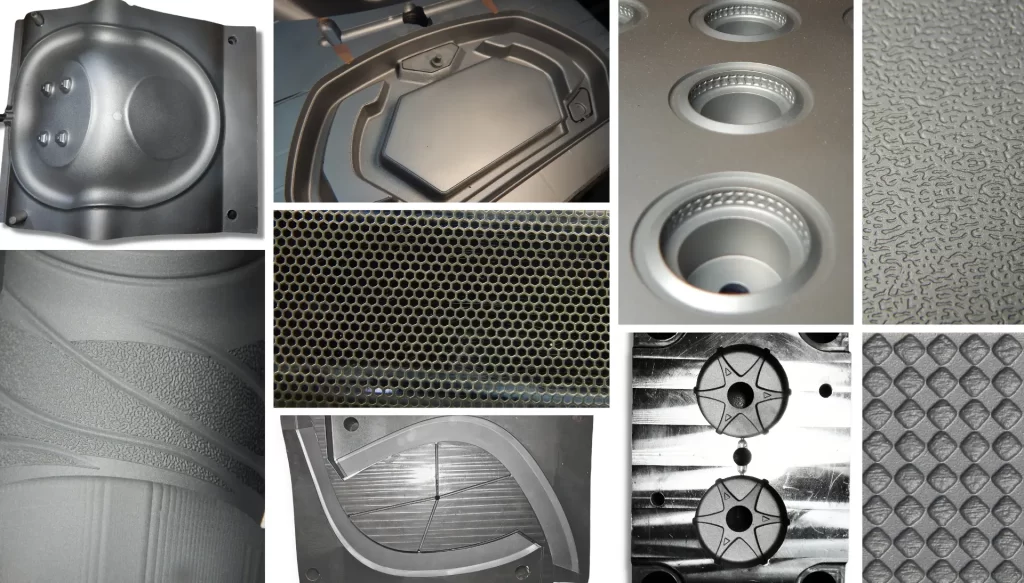
Not every mould needs the same texture.
One product may need a very fine grain. Another may need a deeper and more visible pattern. Some moulds also have complex shapes that make texture work more challenging.
Jai Ambay Etching Process provides Mould Texturing in Pune for different texture needs.
Our first question is simple:
What do you want the final moulded part to look like?
From there, we look at the mould, the current surface, and the required pattern.
This helps us understand whether chemical etching, laser texturing, or another mould texturing method makes more sense for the job.
You do not need to choose the process before speaking with us.
Show us the result you want, and we can start from there.
5 Axis Laser Texturing for Complex Moulds
Some moulds are simple. Others have deep curves, difficult angles, and detailed areas.
These complex shapes may need a more controlled approach.
For the right projects, 5 Axis Laser Texturing in Pune can help create detailed textures across complex mould surfaces.
A 5-axis laser system can work from different angles and positions. This makes it useful when the laser needs better access around curves and detailed sections.
It may be used for moulds with:
- Complex shapes
- Curved surfaces
- Detailed patterns
- Fine texture designs
- Multiple surface angles
Still, 5-axis laser texturing is not automatically better for every mould.
Sometimes chemical etching is the more practical choice.
The right method depends on the mould and the texture you need.
Chemical Etching vs 5 Axis Laser Texturing
Which one should you choose?
There is no single answer.
Chemical etching uses a controlled chemical process to create a texture on a prepared mould surface.
5 axis laser texturing uses laser technology to create patterns while working across different angles and positions.
We normally look at several things before deciding:
- Mould shape
- Texture design
- Pattern detail
- Area to be textured
- Existing surface
- Final appearance
If you are unsure, that is completely fine.
Share the mould and your texture reference with us. We can first understand what you need and then discuss the process.
PTFE Non Stick Coating for Moulds
Not every mould surface problem is about texture.
Sometimes the main problem is sticking.
A moulded part may become difficult to release from the mould, making production less convenient.
For the right application, PTFE coating can create a non-stick, low-friction mould surface.
Jai Ambay Etching Process provides PTFE Non Stick Coating in Pune for moulds.
PTFE coating may help with:
- Easier mould release
- Less unwanted sticking
- Lower surface friction
- Easier surface cleaning
- Smoother mould operation
However, we do not recommend coating without first understanding the problem.
If your mould is sticking, tell us where it happens and under what working conditions. We can then look at whether PTFE coating is a good option for that mould.
Why Choose Jai Ambay Etching Process?
Working on a production mould needs care. Even a small change in its surface can affect the final moulded part.
That is why experience matters.
Jai Ambay Etching Process has 30+ years of experience in mould surface work.
Our services for moulds include:
- Chemical etching
- Mould texturing
- 5-axis laser texturing
- PTFE non-stick coating
But our approach is even simpler than this list.
Show us what you want to achieve.
You do not need to know the name of every process or use difficult technical words.
Bring the mould. Share a texture sample or image. Tell us about the finish or problem.
Our team can understand the requirement and guide you from there.
Looking for Chemical Etching Service in Pune? Talk to Us
Need a new texture on your mould? Have an old pattern you want to match? Or have a texture sample but are unsure whether chemical etching or laser texturing is the right choice?
You do not need to figure it out alone.
Share your mould, photo, design, or texture sample with Jai Ambay Etching Process. Tell us what you want the final surface to look like.
With 30+ years of experience, our team can understand your mould and help you decide the next step.
For Best Chemical Etching Service in Pune, talk to Jai Ambay Etching Process about your mould and the texture you need.
Frequently Asked Questions
What is chemical etching for moulds?
Chemical etching is a controlled process used to create a texture or pattern on a mould surface. That mould texture helps give the moulded part its required surface appearance.
Where can I get Chemical Etching Service in Pune?
Jai Ambay Etching Process provides Chemical Etching Service in Pune for mould texturing work. You can share your mould and texture reference with our team.
Can chemical etching create different textures?
Yes. It can create different types of mould textures. What can be achieved depends on the mould, pattern, surface condition, and finish you need.
Can you match an existing texture?
It depends on the existing pattern, mould, and reference available. Share the texture with our team so we can check it first.
Do you provide mould texturing in Pune?
Yes. We provide Mould Texturing in Pune for different mould texture needs.
Do you provide 5-axis laser texturing in Pune?
Yes. We provide 5 Axis Laser Texturing in Pune for mould projects where this process fits the shape and texture requirement.
Do you provide PTFE coating for moulds?
Yes. We provide PTFE Non Stick Coating in Pune for moulds where a non-stick surface is needed.
How much experience does Jai Ambay Etching Process have?
Jai Ambay Etching Process has more than 30 years of experience in mould texturing and mould surface work.