


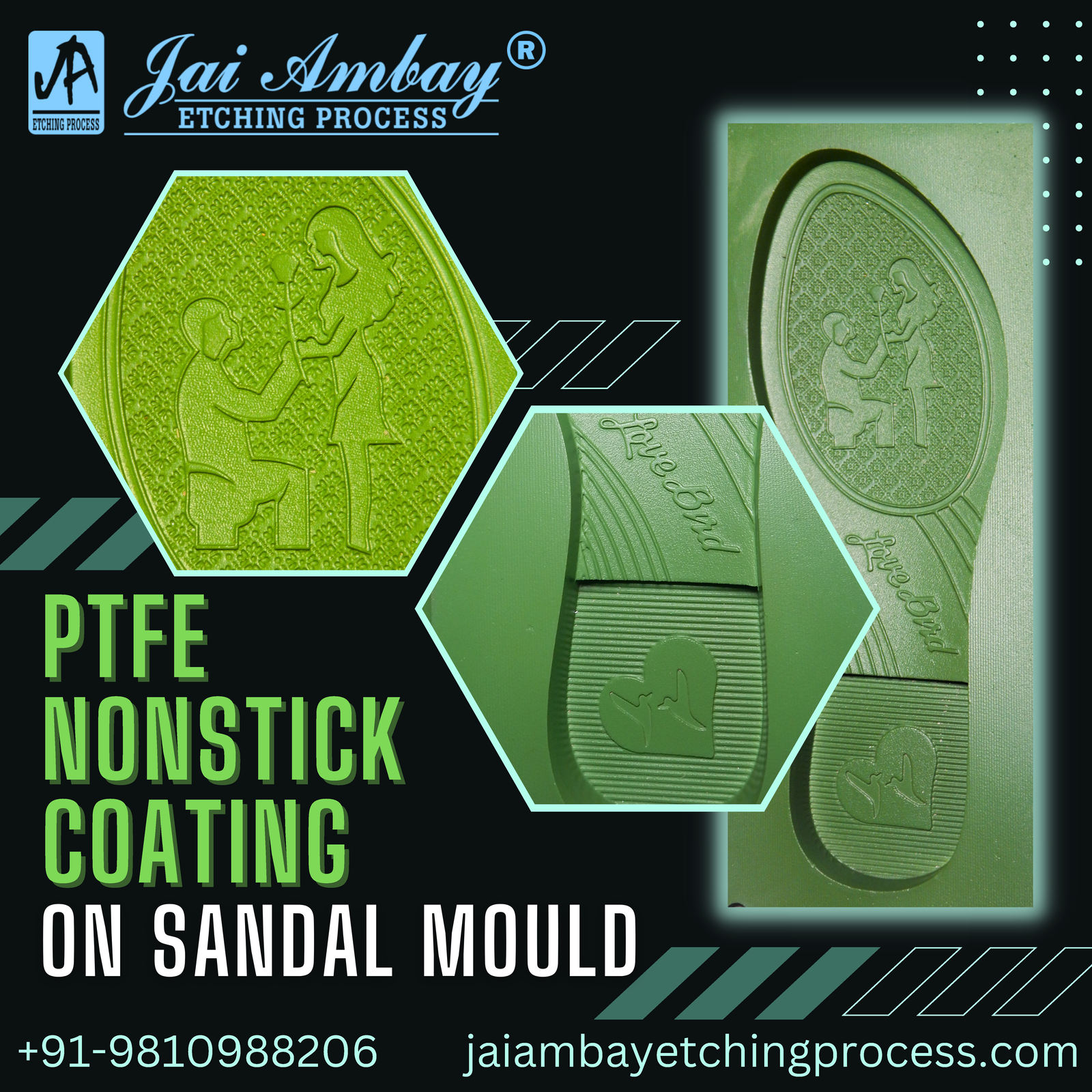
PFA Coating Service for Moulds: Benefits, Process, Applications and Cost
Choosing the right coating for a mould is important for smooth production and long-term performance. When mould surface face sticking, heat, chemicals, or repeated use, the right coating can help protect them and improve their working life.
PFA coating is a useful solution for moulds that need a non-stick surface, heat resistance, and protection against chemicals. It helps reduce material sticking, supports easier mould release, and protects the mould surface during production.
However, not every mould needs the same coating. The right choice depends on the mould design, working temperature, surface condition, and production requirements.
In this guide, we explain how PFA coating works, its benefits, coating process, and how to choose a professional PFA coating service provider for your moulds.
What Is PFA Coating?
PFA coating is a special non-stick coating made from a material called Perfluoroalkoxy (PFA). It belongs to the fluoropolymer family, which also includes PTFE and FEP.
PFA creates a smooth, low-stick surface on the mould. It also offers good resistance to heat and many chemicals.
Manufacturers use this coating when they need better mould release, easier cleaning, and surface protection.
Unlike normal surface finishing, PFA coating adds a protective layer to the mould. This layer helps reduce direct contact between the mould surface and the material during production.
Main Features of PFA Coating
- Good non-stick properties
- High heat resistance
- Strong chemical resistance
- Smooth surface finish
- Easier mould cleaning
- Low surface friction
- Protection against certain types of corrosion
- Suitable for repeated moulding operations
These properties make PFA useful for moulds that work under demanding production conditions.
Why Is PFA Coating Important for Moulds?
Moulds often face problems during regular production. Material may stick to the surface, release may become difficult, or the mould may need frequent cleaning.
Over time, these problems can slow production and increase maintenance work.
A properly applied PFA coating helps reduce some of these problems by creating a protective, non-stick surface.
For example, when material sticks to a mould, operators may need extra time to remove it. This can interrupt production and may increase the risk of surface damage.
PFA coating helps reduce sticking and can make mould release easier.
It can also protect the mould surface against certain chemicals used during production and cleaning.
However, coating performance depends on the moulding conditions, coating thickness, surface preparation, and the material being processed.
Key Benefits of PFA Coating for Moulds
1. Better Non-Stick Performance
One of the main benefits of PFA coating is its non-stick surface.
It helps reduce material sticking during moulding and can make release easier.
This is especially useful for moulds where sticking creates production delays or requires frequent cleaning.
2. High Heat Resistance
Some moulds operate at high temperatures. A coating must handle these conditions without losing its important properties.
PFA coatings can generally withstand continuous service temperatures of around 260°C, depending on the coating grade and manufacturer’s specifications.
This makes them suitable for many heated mould applications.
However, the actual working temperature should always be checked before selecting the coating.
3. Strong Chemical Resistance
Moulds may come into contact with cleaning agents, processing chemicals, or other substances during production.
PFA offers resistance to many chemicals and helps protect the coated surface.
This can reduce chemical damage when the coating is suitable for the working conditions.
4. Easier Cleaning and Maintenance
A mould that collects unwanted material needs regular cleaning.
The smooth, non-stick surface of PFA coating can make cleaning easier and reduce the amount of material left on the mould.
This helps reduce cleaning effort and may support longer production runs between cleaning cycles.
5. Protection Against Corrosion
Corrosion can damage a mould surface and affect its working condition.
PFA coating can provide a protective barrier against certain corrosive substances.
However, the coating must be applied correctly and remain free from damage to provide effective protection.
6. Reduced Surface Friction
PFA has a low-friction surface.
This can help reduce resistance during mould release and make the release process smoother.
The actual benefit depends on the mould shape, surface condition, and production requirements.
How Does the PFA Coating Process Work?
A professional PFA coating service follows several steps to achieve a clean and reliable coating.
The process must be carefully controlled because poor preparation or incorrect application can affect coating performance.
Step 1: Mould Inspection
The first step is to inspect the mould.
The coating team checks the surface for scratches, rust, old coatings, damage, and other problems.
They also review the mould design and working conditions to confirm whether PFA is suitable.
Step 2: Surface Cleaning
The mould surface must be properly cleaned before coating.
Oil, grease, dirt, and other unwanted material can affect coating adhesion.
Cleaning helps prepare the surface for the next step.
Step 3: Surface Preparation
Depending on the coating system, the mould may need blasting or another suitable preparation method.
This helps the coating attach properly to the surface.
The preparation method must match the mould requirements because aggressive treatment can change important surface details.
Step 4: Coating Application
The coating team applies PFA using the method recommended for the selected coating system.
They control the application to achieve the required coverage and thickness.
Some coating systems may also need a suitable primer.
Step 5: Heating and Curing
PFA coatings generally need controlled heating to form the finished coating layer.
The required temperature and time depend on the coating product and the manufacturer’s instructions.
This step is important because incorrect heating can affect the coating’s final performance.
Step 6: Final Inspection
After coating, the team checks the mould surface.
They inspect coating coverage, thickness, appearance, and any visible defects.
The mould should meet the agreed coating requirements before returning to production.
Where Is PFA Coating Used on Moulds?
PFA coating is suitable for selected mould applications where non-stick performance, heat resistance, and chemical protection are important.
Rubber Moulds
Rubber moulds can experience sticking and release problems during production.
A suitable PFA coating may help reduce sticking and make mould cleaning easier.
Silicone Moulds
Some silicone moulding applications need a surface that helps release the moulded material.
PFA coating may be useful where the coating can handle the required temperature and production conditions.
Plastic Injection Moulds
Certain plastic injection moulds may benefit from a low-stick coating, especially where release or surface contamination creates problems.
However, coating thickness and mould dimensions must be checked carefully before application.
Compression Moulds
Compression moulds may operate under heat and pressure.
PFA coating can be considered when the mould needs a non-stick surface and the coating system is suitable for those conditions.
Special-Purpose Moulds
Some moulds have unusual shapes, difficult release areas, or special working requirements.
A coating specialist can review these conditions and recommend whether PFA is suitable.
PFA Coating vs PTFE Coating: What Is the Difference?
PFA and PTFE belong to the same fluoropolymer family. Both offer non-stick properties, chemical resistance, and heat resistance.
However, they have different processing properties.
| Feature | PFA Coating | PTFE Coating |
| Non-stick properties | Excellent | Excellent |
| Heat resistance | High | High |
| Chemical resistance | Excellent | Excellent |
| Coating process | Melt-processable | Requires a different sintering process |
| Surface finish | Can form a smooth, continuous layer | Depends on the coating system |
| Mould applications | Selected high-performance applications | Wide range of non-stick applications |
Neither coating is automatically better for every mould.
The correct choice depends on the moulding temperature, release requirement, coating thickness, and working conditions.
PFA Coating vs FEP Coating
PFA and FEP are also closely related coating materials.
Both offer non-stick properties and chemical resistance, but their temperature limits and processing requirements differ.
PFA generally offers a higher continuous service temperature than FEP.
FEP coatings typically have a continuous service temperature of around 200°C, while many PFA grades can operate at approximately 260°C.
However, these values depend on the selected product.
If your mould operates at a lower temperature, FEP may also be worth considering.
You can explore our FEP Coating Service to understand another non-stick coating option for moulds.
What Should You Check Before Choosing PFA Coating?
Not every mould needs PFA coating. Before selecting it, check the actual production requirements.
Working Temperature
Confirm the temperature at which the mould operates.
The selected coating must handle the required temperature without losing performance.
Mould Surface Condition
Inspect the mould for damage, scratches, rust, or old coatings.
Surface preparation may be necessary before applying a new coating.
Coating Thickness
PFA coating adds a layer to the mould surface.
This can affect close-fitting areas, fine details, and mould dimensions.
The required thickness should be confirmed before coating.
Mould Design
Deep cavities, corners, ribs, and narrow areas may need special attention during coating.
The coating team should check whether all required surfaces can receive suitable coverage.
Release Requirements
Explain the sticking or release problem clearly.
This helps the service provider decide whether PFA coating is suitable or whether another surface treatment may work better.
Common PFA Coating Problems and How to Avoid Them
Even a good coating can fail if the process is not controlled properly.
Poor Coating Adhesion
If the mould surface contains oil, rust, or other contamination, the coating may not bond properly.
Correct cleaning and surface preparation help reduce this problem.
Uneven Coating Thickness
An uneven layer may affect the surface finish or important mould dimensions.
Controlled application and thickness inspection help maintain consistency.
Coating Damage
Sharp contact, rough handling, or unsuitable cleaning methods can damage the coating.
Proper mould handling and maintenance help protect the finished surface.
Incorrect Coating Selection
Using PFA without checking the working temperature or production conditions may lead to poor results.
A professional coating service should review the mould requirements before recommending a coating.
How Long Does PFA Coating Last on a Mould?
The working life of PFA coating depends on how the mould is used.
There is no fixed coating life that applies to every mould.
Important factors include:
- Operating temperature
- Production cycle conditions
- Mould release requirements
- Cleaning methods
- Coating thickness
- Surface preparation
- Mechanical wear
A properly applied coating can provide reliable service, but it still needs regular inspection.
If the coating becomes damaged, worn, or uneven, the mould may need recoating.
How to Choose a Professional PFA Coating Service
Choosing the right PFA coating service is important because coating quality depends on both the product and the application process.
Before selecting a provider, check whether the company can inspect the mould and understand its working conditions.
An experienced provider should be able to explain the coating process, surface preparation, required thickness, heating requirements, and expected performance.
It is also important to choose a company that understands mould geometry and the need to protect important mould dimensions.
A good service provider will recommend PFA only when it suits the mould rather than applying the same coating to every project.
Why Choose Jai Ambay Etching Process for PFA Coating?
Jai Ambay Etching Process is a professional mould surface finishing and coating service provider with over 30 years of hands-on industry experience.
We understand that every mould has different surface conditions, working temperatures, and production requirements.
Our team focuses on proper mould inspection, surface preparation, coating selection, and finishing.
We work with moulds that require reliable surface treatment and help manufacturers choose a suitable coating based on their requirements.
Our experience in mould surface finishing helps us understand the importance of coating quality, surface condition, and dimensional accuracy.
If you need a PFA coating service for your mould, our team can review your requirements and guide you toward a suitable solution.
Conclusion
PFA coating is a useful surface treatment for moulds that need non-stick performance, heat resistance, chemical resistance, and easier cleaning.
However, good results depend on more than choosing the coating itself. Proper mould inspection, surface preparation, application, curing, and final quality checks are equally important.
The right coating should match the mould design, working temperature, and production conditions.
If you are unsure whether PFA is suitable for your mould, contact Jai Ambay Etching Process. Our experienced team can review your mould requirements and recommend an appropriate surface coating solution.
Frequently Asked Questions
1. What is PFA coating used for on moulds?
PFA coating creates a non-stick, heat-resistant, and chemical-resistant surface on moulds. It can help reduce sticking, improve release, and make cleaning easier.
2. What temperature can PFA coating withstand?
Many PFA coating grades can withstand continuous service temperatures of approximately 260°C. The actual limit depends on the coating product and working conditions.
3. Is PFA coating better than PTFE coating?
Both coatings offer excellent non-stick properties. The better option depends on the mould temperature, surface requirements, coating thickness, and production conditions.
4. Can PFA coating be applied to injection moulds?
PFA coating can be applied to suitable injection moulds after checking the mould design, working temperature, coating thickness, and release requirements.
5. Does PFA coating prevent material from sticking?
PFA coating helps reduce sticking by creating a low-stick surface. However, the result depends on the moulding conditions and the material being processed.
6. Where can I get professional PFA coating services for moulds?
Jai Ambay Etching Process provides mould surface finishing expertise backed by over 30 years of industry experience. Contact our team to discuss your PFA coating requirements and mould condition.
