

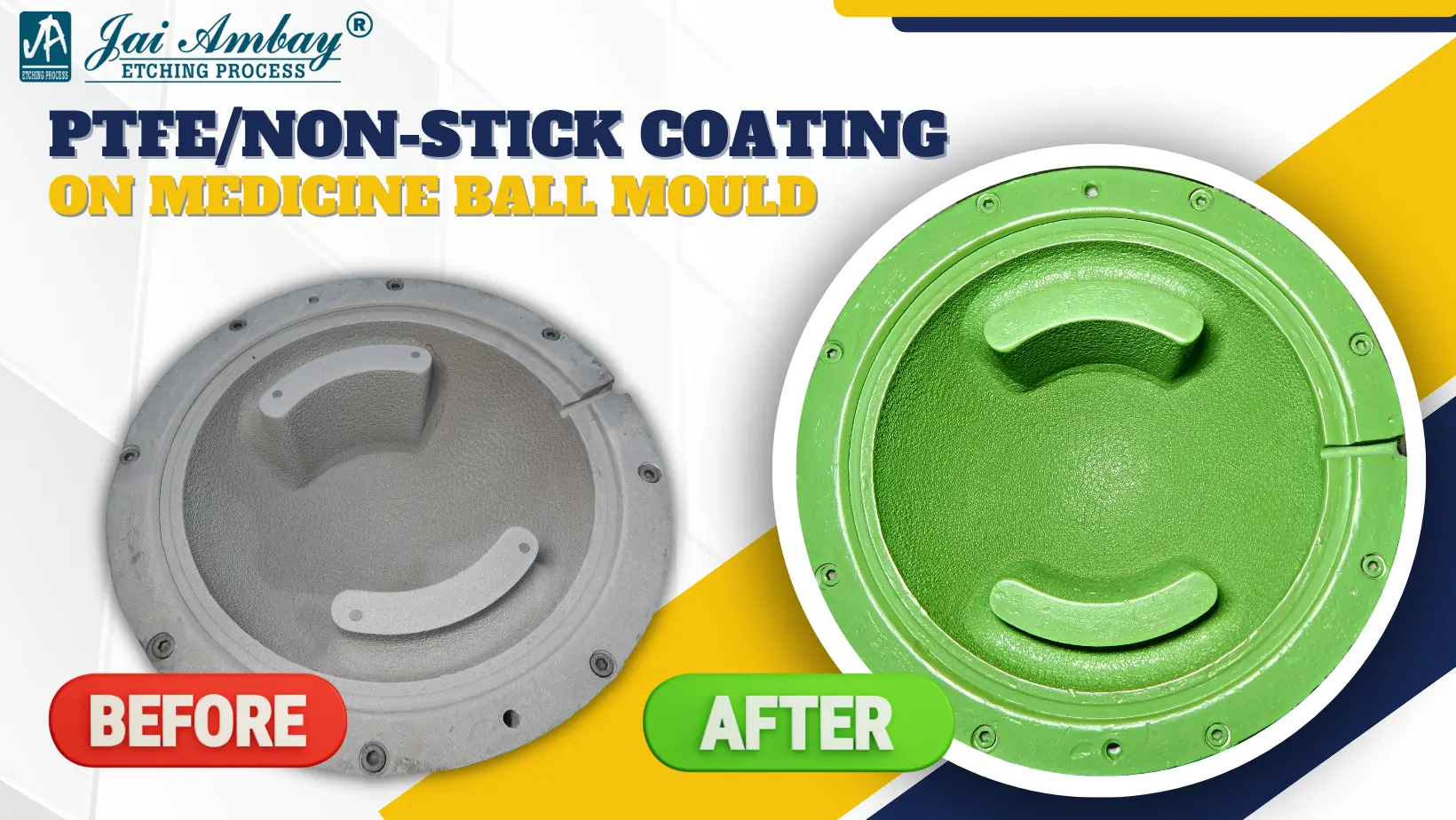
What is PTFE Coating? A Complete Industrial Guide for Engineers & Manufacturers
Table of Contents
WHAT THIS GUIDE COVERS
→ What PTFE coating is and why industries use it
→ Step-by-step PTFE coating process explained simply
→ PTFE coating thickness — what thickness is right for your job
→ PTFE coating on aluminium and steel — key differences
→ PTFE coating vs Teflon — are they the same thing?
→ Common problems and practical solutions
→ How to find a reliable PTFE coating service provider in India
If you work in manufacturing, engineering, or any industry that deals with metal parts and machinery, you have probably heard about PTFE coating. Maybe someone at your plant suggested it. Or maybe a client asked for it and you are not sure what it actually means.
Do not worry. This guide will explain everything — no complicated chemistry, no jargon. By the end, you will understand exactly what PTFE coating is, how the process works, which metals it suits best, and where to find the right service provider in India.
What Is PTFE Coating?
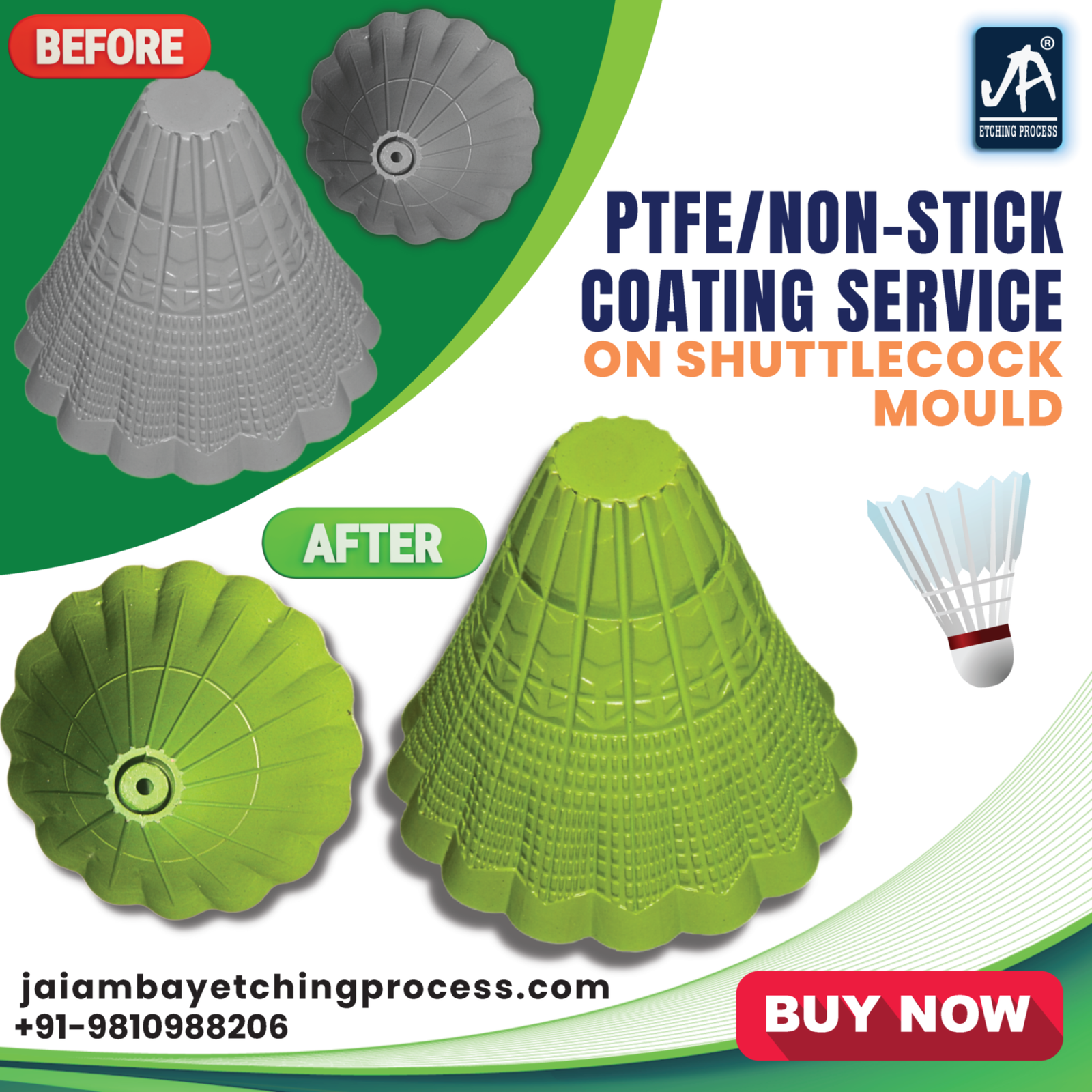
PTFE stands for Polytetrafluoroethylene. It is a synthetic chemical compound made of carbon and fluorine atoms. In simple terms, PTFE is one of the most slippery and heat-resistant materials known to science.
When you apply PTFE as a coating on a metal surface, it creates a very thin but tough protective layer. This layer makes the surface non-stick, corrosion-resistant, and able to handle extreme temperatures — from -200°C all the way up to +260°C.
Industries like food processing, pharmaceuticals, automotive, aerospace, and heavy manufacturing use PTFE coating every single day. It helps machine parts last longer, run smoother, and require less maintenance over time.
Why do engineers and manufacturers choose PTFE coating?
Engineers and Manufacturers choose PTFE coating. Because it solves real problems like — sticking, corrosion, friction and chemical attack — with a single durable layer.
The PTFE Coating Process — Step by Step
The PTFE coating process is not complicated once you break it into steps. Here is how it works at a professional coating facility:
- Surface preparation — The metal part is cleaned thoroughly. Operators remove all oil, dust, rust, and old coatings. This step is critical. A dirty surface will not hold the coating properly.
- Blasting or etching — The surface is roughed using sandblasting or chemical etching. This gives the PTFE something to grip onto.
- Primer application — A bonding primer is applied first. This acts as a bridge between the bare metal and the PTFE layer.
- PTFE application — The PTFE is sprayed or dip-coated onto the surface in one or more thin layers.
- Curing in an oven — The coated part goes into an industrial oven at temperatures between 350°C and 420°C. This bakes the coating and makes it permanently bond to the metal.
- Quality inspection — The final part is checked for thickness, adhesion, and surface finish before it leaves the facility.
The whole process typically takes one to three days depending on part size, coating layers, and the volume of the order.
PTFE Coating Thickness — What You Need to Know
PTFE coating thickness is one of the most important decisions in the coating process. Too thin and the coating may not protect well. Too thick and it can affect dimensional tolerances of precision parts.
Here is a simple guide to standard thickness ranges:
| Coating Type | Thickness Range | Best Use Case |
| Single layer (thin coat) | 12–25 microns | Light protection, dry lubrication, low friction surfaces |
| Standard industrial coat | 25–50 microns | General use, food-grade equipment, chemical resistance |
| Heavy-duty / multi-layer | 50–125 microns | Harsh chemicals, heavy wear, outdoor exposure |
| Maximum protection coat | 125–250 microns | Extreme wear, aggressive chemical environments |
Always discuss your dimensional tolerances with your coating provider before the job starts. For precision mechanical parts, even 25 microns of extra material can matter.
PTFE Coating on Aluminium — What Makes It Special
PTFE coating on aluminium is extremely popular in the food industry, cookware manufacturing, and aerospace. Here is why aluminium and PTFE work so well together:
- Aluminium is lightweight, so PTFE-coated aluminium parts are easy to handle and install.
- Aluminium naturally forms an oxide layer that helps the PTFE primer bond better.
- The combination is widely used in non-stick cookware, baking trays, pharmaceutical moulds, and aircraft components.
- PTFE protects aluminium from corrosion — especially in humid or chemical environments.
- The finished surface is smooth, easy to clean, and highly resistant to food acids and detergents.
One important note: aluminium requires careful surface preparation before PTFE coating. The metal must be degreased and blasted properly. Skipping this step leads to poor adhesion and early coating failure.
PTFE Coating on Steel — Built for Industrial Strength
PTFE coating on steel is the go-to choice for heavy industrial applications. Steel is stronger and harder than aluminium, which means PTFE-coated steel parts can handle extreme mechanical loads and harsh conditions.
- Common uses of PTFE-coated steel include:
- Industrial valves, pipes, and fittings in chemical plants
- Automotive engine components and exhaust systems
- Heavy machinery parts that operate at high temperatures
- Oil and gas equipment exposed to corrosive fluids
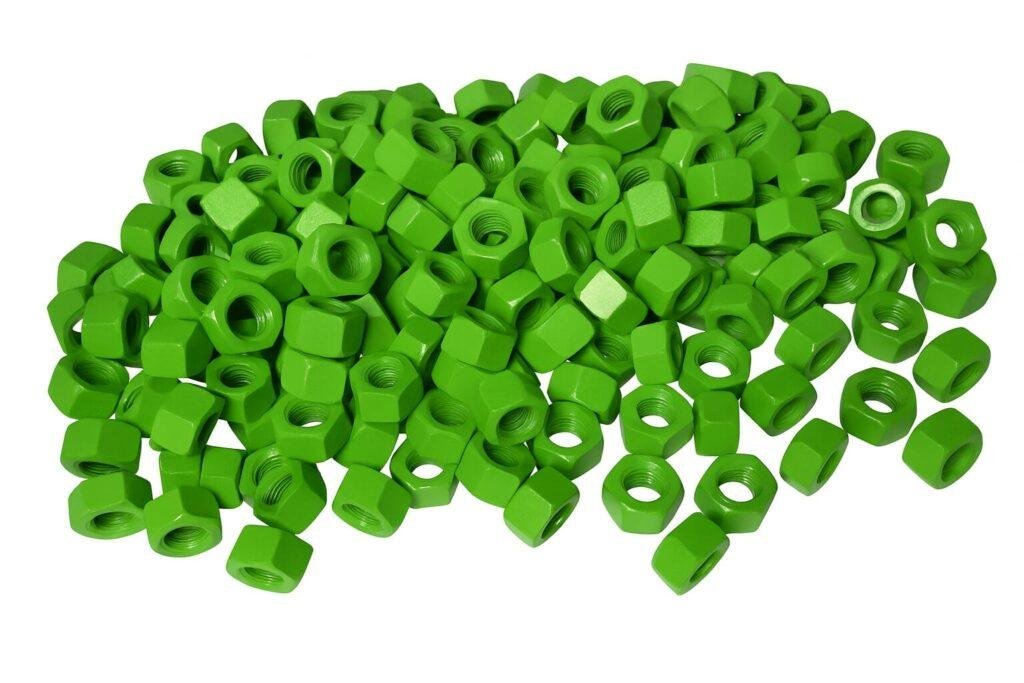
- Fasteners and bolts in marine environments
One challenge with steel is that it can rust if the PTFE layer is damaged or applied incorrectly. This is why proper surface preparation and a good primer layer are absolutely essential when coating steel parts.
PTFE Coating vs Teflon — Are They the Same Thing?
This is one of the most common questions engineers ask. The short answer is: yes, they are essentially the same material. But there is an important difference in how the names are used.
Teflon is a brand name. DuPont (now Chemours) trademarked the name Teflon in 1945 for their version of PTFE. So when someone says Teflon, they are talking about a specific brand of PTFE made by one company.
PTFE is the generic chemical name for the same material. Many manufacturers around the world produce PTFE under different brand names — Teflon is just the most well-known one.
Here is a quick comparison to make it crystal clear:
| Feature | PTFE (Generic) | Teflon (Brand) |
| What it is | Generic chemical compound | Brand name for DuPont’s PTFE |
| Chemical formula | Same — (C₂F₄)ₙ | Same — (C₂F₄)ₙ |
| Manufacturers | Many worldwide | Chemours (formerly DuPont) |
| Cost | Generally lower | Often premium priced |
| Performance | Equivalent | Equivalent |
| Availability India | Widely available | Available, less common |
| Best for | Industrial & cost-sensitive use | Brand-specific requirement |
Bottom line: If your client or project specification says Teflon, you can use high-quality generic PTFE from a reputable Indian manufacturer and get identical results in most applications. Always confirm with your client if brand-specific material is a hard requirement.
Common Problems with PTFE Coating — and How to Fix Them
Even a great coating can fail if applied incorrectly. Here are the most common problems engineers and buyers face — and the practical solutions:
| PROBLEM : Coating peels off after a short time | |
| CAUSE Poor surface preparation before coating. Oil or moisture was present on the metal. | SOLUTION Always sandblast and degrease the part fully before any coating application. Ask your provider for a written prep checklist. |
| PROBLEM : Coating thickness is uneven across the part | |
| CAUSE The PTFE was applied by hand spray without proper equipment calibration. | SOLUTION Work only with providers who use automated spray systems and measure thickness with digital gauges after curing. |
| PROBLEM : Coating cracks after exposure to heat | |
| CAUSE Wrong PTFE grade was selected. Some grades have lower temperature limits. | SOLUTION Specify your operating temperature clearly when placing the order. PTFE grades range from standard (260°C) to modified high-temp versions. |
| PROBLEM : Part dimensions changed after coating | |
| CAUSE Coating was applied too thick without accounting for the part’s tolerance. | SOLUTION Share dimensional drawings and tolerance specs with your coating provider before the job starts. Request a sample trial run first. |
Finding a PTFE Coating Service Provider in India
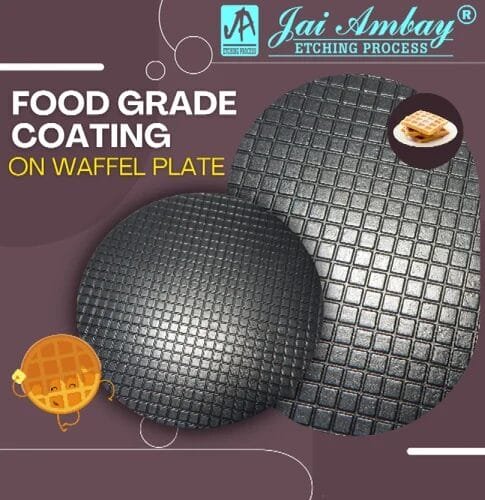
India has a growing number of reliable PTFE coating service providers — especially in industrial hubs like Pune, Mumbai, Delhi NCR, Chennai, Bengaluru, and Ahmedabad. Here is what to look for when choosing the right one:
- Ask about the curing oven — A proper PTFE coating job needs an industrial oven that reaches at least 380–420°C. If the provider does not have one, the coating will not bond correctly.
- Check thickness measurement tools — The provider should use digital dry film thickness (DFT) gauges to verify coating thickness on every batch.
- Ask for material certificates — A good provider will give you a material safety data sheet (MSDS) and certificate of conformance for the PTFE used.
- Request a sample part first — Before a big order, always test with one or two sample pieces. Check adhesion by bending or cross-cutting the coated sample.
- Check their industry experience — Providers with experience in pharma, food, or aerospace coating tend to follow stricter quality standards that benefit all customers.
You can find PTFE coating service providers in India on platforms like IndiaMart, TradeIndia, and ExportersIndia. Always compare at least three quotes and ask for photos of their facility before placing a large order.
Which Industries Use PTFE Coating the Most?
PTFE coating serves a wide range of industries across India and globally:
- Food & Beverage — non-stick baking trays, conveyor parts, mixing equipment
- Pharmaceuticals — tablet punches, filling machines, reactor vessels
- Automotive — gaskets, pistons, brake components, engine parts
- Oil & Gas — valves, seals, pipe fittings in corrosive environments
- Aerospace — lightweight aluminium and titanium components
- Textile — rollers and guides that reduce thread friction
- Electronics — insulation for wiring and connectors
If your industry deals with heat, chemicals, friction, or food contact — PTFE coating is worth serious consideration.
Conclusion
PTFE coating is not a luxury add-on — it is a practical engineering solution that extends the life of metal parts, reduces downtime, and lowers maintenance costs across dozens of industries.
Whether you need PTFE coating on aluminium for food-grade equipment or PTFE coating on steel for a heavy industrial application, the key is choosing the right provider, the right thickness, and the right PTFE grade for your specific conditions.
India has skilled and affordable PTFE coating service providers who can handle everything from single prototypes to large production runs. Take your time, ask the right questions, and always test before you commit to a full order.
Need PTFE Coating for Your Next Project?
Search for a certified PTFE coating service provider in India. Always ask for a sample trial and compare coating thickness specifications before placing your order.
Jai Ambay Etching Process is a reliable and experienced service provider offering high-quality PTFE coating solutions across India, with over 30+ years of industry expertise and services trusted by multiple industries.
Frequently Asked Questions
1. What is PTFE coating?
PTFE coating is a non-stick, heat-resistant layer applied on metal surfaces. It reduces friction, prevents sticking, and protects parts from chemicals and corrosion.
2. Is PTFE coating the same as Teflon?
Yes, PTFE and Teflon are essentially the same material. PTFE is the generic name, while Teflon is a brand name.
3. What is the temperature limit of PTFE coating?
PTFE coating can handle temperatures from around -200°C to +260°C without losing its properties.
4. What is the ideal thickness for PTFE coating?
The ideal thickness depends on the application:
- 12–25 microns → light use
- 25–50 microns → standard industrial use
- 50–125 microns → heavy-duty applications
5. Can PTFE coating be applied on aluminium?
Yes, PTFE coating works very well on aluminium. It improves non-stick performance, corrosion resistance, and is widely used in food and pharma industries.
6. Can PTFE coating be applied on steel?
Yes, PTFE coating is commonly applied on steel for industrial use. It helps reduce wear, friction, and protects against rust and chemicals.
7. How long does PTFE coating last?
PTFE coating can last from months to several years, depending on usage, thickness, and operating conditions.
8. Why does PTFE coating peel off?
Peeling usually happens due to poor surface preparation, oil contamination, or incorrect curing during the coating process.
9. Is PTFE coating food safe?
Yes, food-grade PTFE coatings are safe when used within recommended temperature limits and applied correctly.
10. Where can I find PTFE coating services in India?
You can find PTFE coating service providers in cities like Delhi NCR, Pune, Mumbai, and Ahmedabad through platforms like IndiaMart or by contacting local industrial coating companies.