


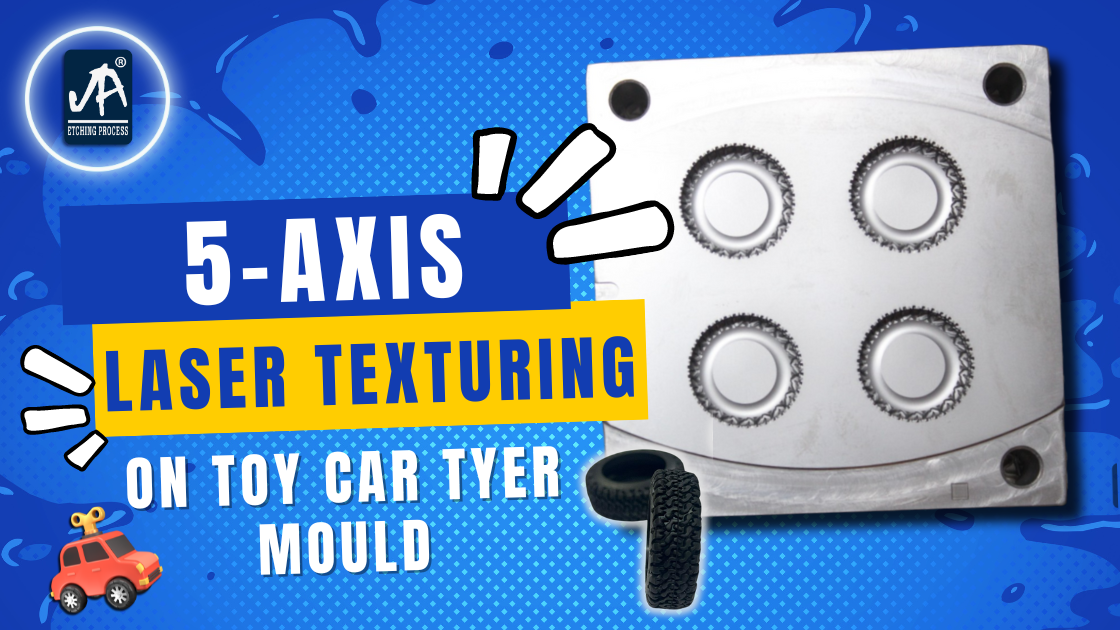
What is Mould Texturing? Simple Explanation with Real Examples
Table of Contents
Introduction
You ever noticed the smooth finish on your phone cover or the rough grip on a plastic bottle cap? These finishes are not random. Experts create them using a process called mould texturing.
Mould texturing plays a big role in the injection molding industry. It helps improve both the look and function of plastic products. From car dashboards to kitchen tools, this process adds value to many items we use daily.
In this guide, you will learn what mould texturing is, how it works, and why it matters. We will also look at real examples so you can understand it easily.
What is Mould Texturing?
Mould texturing is the process of adding patterns or finishes to the surface of a mould. When molten plastic flows into the mold, it takes the shape and texture of the surface.
In simple words, the mold decides how the final product looks and feels.
Example:
- A shiny plastic toy → comes from a polished mold
- A rough car dashboard → comes from a textured mold
So, the texture is built into the mold, not added later.
Why is Mould Texturing Important?
Mould texturing is not just about looks. It also improves performance and usability.
Key Benefits:
- Improves grip on products like handles or tools
- Hides scratches and marks
- Reduces glare on surfaces
- Adds a premium look
- Helps parts release easily from the mold
Many manufacturing industries depend on mould texturing to create high-quality products.
How Does Mould Texturing Work?
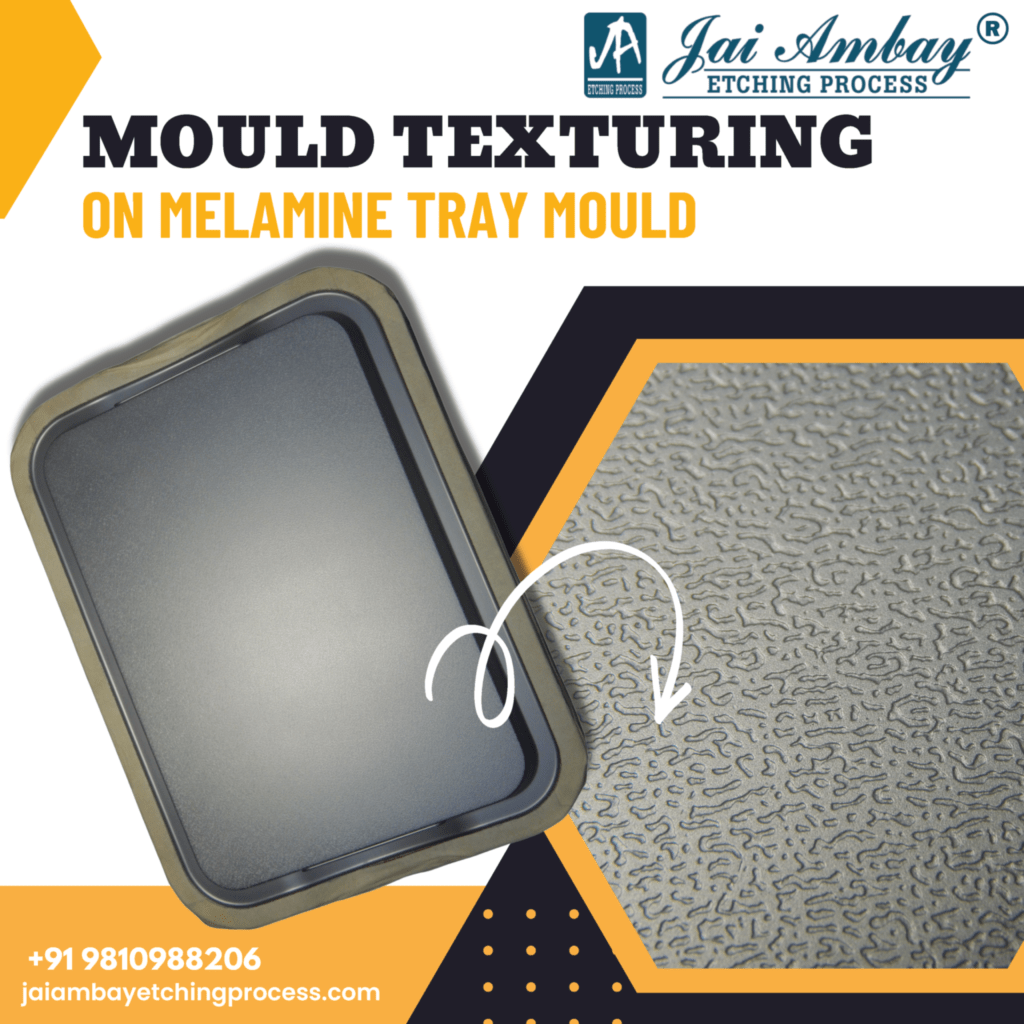
The process starts during the mold design stage. Engineers decide what kind of surface finish they need.
Then, they apply the texture using different methods.
Common Methods Used:
- Laser engraving
- Chemical etching
- Sandblasting
- Hand polishing
Among these, laser engraving is very popular today because it is precise and fast.
Step-by-Step Process
Here is a simple step-by-step explanation:
- Design the mould based on the product
- Choose the texture type (smooth, rough, patterned)
- Apply texture using tools like laser engraving
- Test the mold
- Use it in production
A skilled manufacturer of injection moulding machine ensures that the process runs smoothly.
Types of Mould Textures
Different products need different textures. Let’s explore some common types.
1. Smooth Finish
This finish looks shiny and clean.
Used in:
- Mobile covers
- Medical devices
- Cosmetic packaging
2. Matte Finish
This finish is not shiny. It reduces reflection.
Used in:
- Laptop bodies
- Car interiors
- Electronic devices
3. Grain Texture
This looks like leather or natural surfaces.
Used in:
- Car dashboards
- Furniture parts
- Tool handles
4. Custom Patterns
Designers create unique textures for branding.
Used in:
- Logos on products
- Decorative panels
- Premium packaging
Real-Life Examples of Mould Texturing
Let’s make this even simpler with real examples.
Example 1: Car Dashboard
Car dashboards often have a grain texture. This texture:
- Reduces glare
- Gives a premium feel
- Hides scratches
This is done during the mold design stage using tools like laser engraving.
Example 2: Plastic Bottle Cap
Bottle caps have a rough texture for better grip.
Without texture, the cap would be hard to open.
Example 3: TV Remote Control
Remote controls use matte textures.
This helps:
- Avoid fingerprints
- Improve grip
- Give a modern look
Example 4: Power Tools
Tools like drills use textured handles.
This improves safety and comfort.
Role of Injection Molding in Mould Texturing
The injection molding industry uses mould texturing in almost every product.
Here’s how it works:
- Plastic is heated until it melts
- The molten plastic is injected into an injection mold
- The mold shape and texture define the final product
- The plastic cools and hardens
This process is fast and cost-effective. That’s why many manufacturing industries prefer it.
Why Manufacturers Use Laser Engraving
Laser engraving is one of the best methods for mould texturing.
Advantages:
- High precision
- Consistent results
- Fast process
- Works on complex designs
A modern manufacturer of injection moulding machine often uses laser technology for better results.
Key Factors That Affect Mould Texturing
Not all textures work the same way. Several factors affect the final result.
Important Factors:
- Type of plastic material
- Mold temperature
- Injection pressure
- Texture depth
- Mold quality
A well-planned mold design ensures the best outcome.
Common Problems and Solutions
Even experts face challenges in mould texturing.
Common Issues:
- Uneven texture
- Difficult part release
- Surface defects
Solutions:
- Use proper mold design
- Choose the right texture depth
- Work with an experienced manufacturer
Tips for Better Mould Texturing
If you want high-quality results, follow these tips:
- Plan texture early in the design stage
- Use advanced methods like laser engraving
- Test the mold before mass production
- Work with a trusted manufacturer of injection moulding machine
Industries That Use Mould Texturing
Many industries rely on this process.
Major Industries:
- Automotive
- Electronics
- Medical
- Packaging
- Consumer goods
The injection molding industry supports all these sectors.
Future of Mould Texturing
Technology is improving fast. New tools and methods are making mould texturing better.
Trends to Watch:
- Advanced laser engraving machines
- Eco-friendly materials
- Smart mold design tools
- Automation in the injection molding industry
These changes will help manufacturing industries produce better products faster.
Quick Summary
Let’s quickly review what we learned:
- Mould texturing adds surface design to an injection mold
- It improves both look and function
- Methods like laser engraving are widely used
- It is important in the injection molding industry
- Many manufacturing industries depend on it
Conclusion
Mould texturing may seem like a small detail, but it makes a big difference. It affects how a product looks, feels, and performs.
From simple bottle caps to complex car parts, this process is everywhere. With the help of advanced tools like laser engraving and skilled experts, manufacturers create high-quality products every day.
If you are part of the injection molding industry or planning to enter it, understanding mould texturing is very important. A good mold design and the right partner, like a reliable manufacturer of injection moulding machine, can help you achieve great results.
Frequently Asked Questions
1. What is mould texturing?
Mould texturing is the process of adding patterns or finishes to an injection mold so the final plastic product gets the same surface look and feel.
2. Why is mould texturing important in the injection molding industry?
Mould texturing improves product appearance, grip, and durability. It also helps hide scratches and enhances the overall quality in the injection molding industry.
3. How does laser engraving help in mould texturing?
Laser engraving creates precise and detailed textures on molds. It is fast, accurate, and widely used for modern mold design.
4. What types of textures are used in injection molds?
Common textures include smooth, matte, grain, and custom patterns. The choice depends on product use and design requirements.
5. Which industries use mould texturing the most?
Many manufacturing industries use mould texturing, including automotive, electronics, medical, and packaging sectors.
6. What materials work best for mould texturing?
Most plastics used in the injection molding industry support texturing, but the final result depends on material type and mold quality.
7. Does mould texturing affect product cost?
Yes, mould texturing can increase initial mold cost. However, it reduces the need for extra finishing, saving money in large-scale production.
8. Who performs mould texturing?
Experts in mold design and skilled teams, often working with a manufacturer of injection moulding machine, perform mould texturing.
9. Can mould texture wear out over time?
Yes, textures can wear down after long use. Regular maintenance of the injection mold helps keep the texture quality consistent.
10. What is the future of mould texturing?
The future includes advanced laser engraving, automation, and smart tools that improve precision in the injection molding industry.
