

What Is Mould Texturing & Polishing in the Plastic Industry? | Plastic Injection Mold Service Guide
The world of manufacturing industries, product appearance and quality are just as important as functionality. When plastic parts are produced through mould injection moulding, the surface finish of the mold directly affects the final product. This is where mould texturing and polishing play a vital role.
A reliable plastic injection mold service does more than create molds.It also ensures that mold surfaces are properly polished or textured to achieve the desired look, feel, and performance of plastic products. From automotive components to consumer electronics and medical devices, mould texturing and polishing help manufacturers meet quality standards and customer expectations.
In this guide, you will learn what mould texturing and polishing are, their benefits, common methods, and why they are essential in modern plastic manufacturing.
Understanding Plastic Injection Mold Service and Surface Finishing
A plastic injection mold service includes the design, manufacturing, maintenance, and finishing of molds used for plastic part production. Surface finishing is one of the most important steps in mold preparation.
Surface finishing mainly includes:
- Mould polishing
- Mould texturing
- Surface treatment and maintenance
These processes improve the appearance and functionality of plastic parts while increasing mold performance and lifespan.
Without proper finishing, even a well-designed mold may produce parts with visible defects, poor appearance, or inconsistent quality.
What Is Mould Polishing in Plastic Injection Molding?
Mould polishing is the process of smoothing the mold surface using specialized tools, abrasives, and polishing compounds. The goal is to create a clean and smooth finish that transfers directly to the plastic product.
During mould injection moulding, molten plastic fills every detail of the mold cavity. If the cavity surface is polished, the finished plastic part will also have a smooth and glossy appearance.
Benefits of Mould Polishing
1. Better Product Appearance
Polished molds create shiny and attractive plastic products. This is especially important for:
- Consumer electronics
- Cosmetic packaging
- Automotive interiors
- Household products
2. Easier Part Release
A smooth mold surface reduces friction between the mold and the plastic part. This helps parts eject more easily and reduces production delays.
3. Improved Product Quality
Polishing removes small imperfections from the mold surface. As a result, the final product has fewer defects and better consistency.
4. Longer Mold Life
Regular polishing helps maintain the mold and reduces wear over time.
A professional plastic injection mold service often includes routine polishing to keep molds operating efficiently.
What Is Injection Mold Texture?
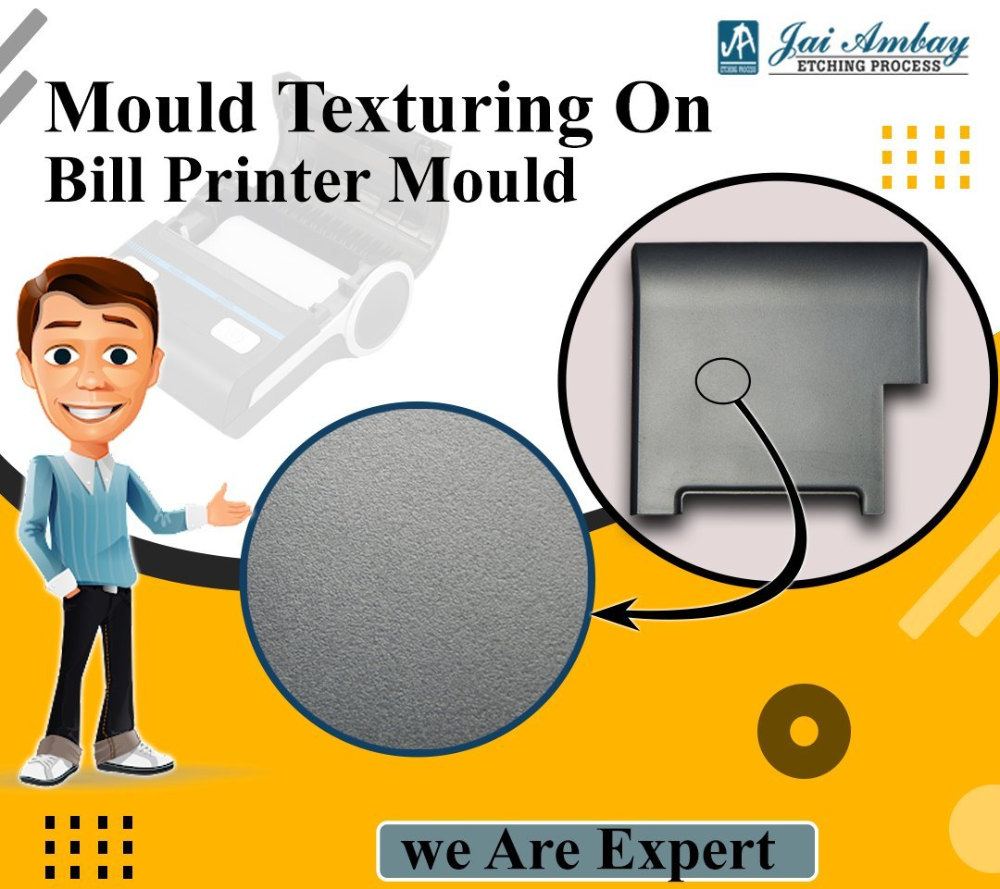
Injection mold texture refers to the intentional creation of patterns or surface finishes on the mold cavity. Instead of making the mold completely smooth, manufacturers add specific textures to achieve desired visual or functional effects.
These textures are transferred directly to the plastic part during molding.
Texturing can range from light matte finishes to detailed grain patterns that resemble leather, wood, or other materials.
Why Is Injection Mold Texture Important?
The use of injection mold texture has become increasingly popular across many manufacturing sectors.
Enhanced Product Appearance
Textured surfaces create a premium and professional look. Many automotive dashboards, electronic device housings, and appliance panels use textured finishes.
Reduced Surface Defects
Textures help hide:
- Flow marks
- Sink marks
- Fingerprints
- Minor scratches
This improves the overall appearance of the finished product.
Better Grip and Functionality
Textured surfaces provide improved grip, making products easier and safer to handle.
Examples include:
- Power tools
- Medical devices
- Consumer electronics
Brand Differentiation
Custom textures help products stand out in competitive markets.
Common Types of Injection Mold Texture
Different products require different surface finishes. A quality plastic injection mold service can provide several texturing options.
Matte Texture
Matte finishes create a non-glossy surface that reduces reflections and fingerprints.
Common applications:
- Electronic housings
- Office equipment
- Automotive interiors
Leather Texture
Leather-like patterns are widely used in automotive and luxury consumer products.
Benefits include:
- Premium appearance
- Scratch concealment
- Improved aesthetics
Wood Grain Texture
Wood grain textures replicate the appearance of natural wood while maintaining the advantages of plastic.
Common uses:
- Furniture components
- Decorative panels
- Home products
Geometric Texture
Geometric patterns provide unique visual effects and improved grip.
Applications include:
- Tool handles
- Industrial equipment
- Consumer products
Methods Used for Mould Texturing
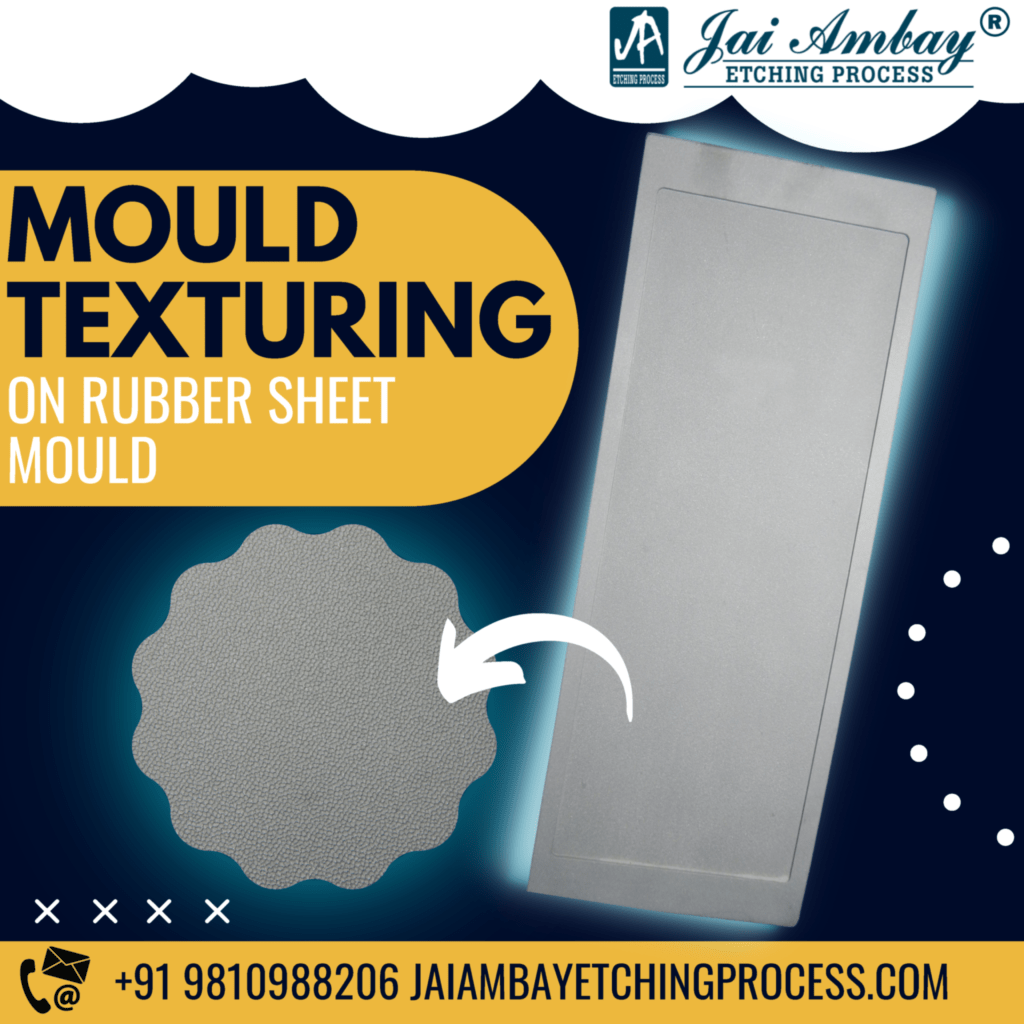
Several techniques are used to create injection mold texture.
Chemical Etching
Chemical etching is one of the most common texturing methods. Special chemicals remove small amounts of material from the mold surface to create patterns.
Advantages include:
- High precision
- Consistent results
- Wide design flexibility
Laser Texturing
Laser technology creates highly detailed textures directly on mould surfaces.
Benefits:
- Excellent accuracy
- Complex pattern creation
- Environmentally friendly process
Mechanical Engraving
Mechanical engraving uses specialized tools to cut patterns into the mold surface.
This method is often used for simple designs and custom applications.
Plastic Injection Mold Service: Polishing vs. Texturing
Many people wonder whether polishing or texturing is better. The answer depends on product requirements.
| Feature | Polishing | Texturing |
| Surface Appearance | Smooth and glossy | Matte or patterned |
| Fingerprint Resistance | Lower | Higher |
| Scratch Visibility | More visible | Less visible |
| Product Release | Excellent | Good |
| Visual Design Options | Limited | Extensive |
An experienced plastic injection mold service provider can recommend the best option based on product design and application.
Industries That Use Injection Mold Texture and Polishing
Both polishing and injection mold texture are widely used across different manufacturing industries.
Automotive Industry
Applications include:
- Dashboards
- Door panels
- Interior trim components
Textured finishes help improve appearance and reduce visible wear.
Consumer Electronics
Examples include:
- Mobile phone cases
- Laptop covers
- Remote controls
Polished and textured surfaces enhance product quality and user experience.
Medical Industry
Medical devices often require highly polished molds for cleanliness and precision.
Household Products
Many everyday items use textured finishes for better grip and improved aesthetics.
How Mould Injection Moulding Benefits from Proper Surface Finishing
The success of mould injection moulding depends heavily on mold quality.
Proper polishing and texturing provide several production advantages:
- Improved product consistency
- Faster mold release
- Lower rejection rates
- Better customer satisfaction
- Enhanced product appearance
- Increased mold lifespan
When molds are correctly finished, manufacturers can achieve higher productivity and reduced operating costs.
Choosing the Right Plastic Injection Mold Service
Selecting the right plastic injection mold service is essential for achieving high-quality results.
Look for a provider that offers:
Advanced Equipment
Modern polishing and texturing technologies deliver better precision and consistency.
Industry Experience
Experienced professionals understand how different textures and finishes affect production outcomes.
Quality Control
Reliable service providers perform thorough inspections to ensure mold accuracy and surface quality.
Custom Solutions
Every product is different. A good service provider should offer customized polishing and texturing options based on project requirements.
Conclusion
Mould texturing and polishing are critical processes in modern plastic manufacturing. Whether creating a high-gloss finish or a detailed injection mold texture, these surface treatments directly impact product appearance, functionality, and production efficiency.
A professional plastic injection mold service ensures that molds are finished to the highest standards, helping manufacturers produce consistent and attractive plastic components. From automotive parts to consumer electronics and medical devices, proper surface finishing improves both product quality and customer satisfaction.
As manufacturing industries continue to demand better aesthetics and performance, mould polishing and mould injection moulding surface texturing will remain essential elements of successful plastic production. By understanding these processes and working with experienced specialists, manufacturers can achieve superior results and gain a competitive advantage in the marketplace.
Frequently Asked Questions
1. What is mould texturing in the plastic industry?
Mould texturing is the process of creating patterns or surface finishes on a mold cavity. During mould injection moulding, the texture transfers to the plastic part, improving its appearance, grip, and ability to hide surface defects.
2. What is mould polishing in plastic injection molding?
Mould polishing is the process of smoothing and refining the mold surface to create a glossy or smooth finish on plastic products. It also helps improve part release and product quality.
3. Why is injection mold texture important?
Injection mold texture improves product appearance, reduces the visibility of scratches and fingerprints, enhances grip, and helps create unique product designs for different industries.
4. How does a plastic injection mold service help manufacturers?
A plastic injection mold service provides mold design, manufacturing, polishing, texturing, maintenance, and repair services. These processes help ensure consistent product quality and efficient production.
5. What are the common types of injection mold texture?
Common types of injection mold texture include matte texture, leather texture, wood grain texture, and geometric patterns. Each type is selected based on the product’s design and functional needs.
6. Which industries use mould texturing and polishing?
Many manufacturing industries use these processes, including automotive, consumer electronics, medical device manufacturing, packaging, household products, and industrial equipment production.
7. What is the difference between mould polishing and mould texturing?
Mould polishing creates a smooth and shiny surface, while mould texturing creates patterned or matte finishes. The choice depends on the desired appearance and functionality of the final plastic product.
8. Can injection mold texture help hide product defects?
Yes. Injection mold texture can effectively hide minor scratches, sink marks, flow lines, and fingerprints, making plastic products look cleaner and more attractive.
9. How does mould polishing improve mould injection moulding?
In mould injection moulding, polished molds allow easier part release, reduce surface defects, improve product consistency, and help maintain mold performance over time.
10. How do I choose the right plastic injection mold service provider?
Choose a plastic injection mold service provider with industry experience, advanced equipment, strong quality control processes, and the ability to offer customized polishing and texturing solutions for your project.