

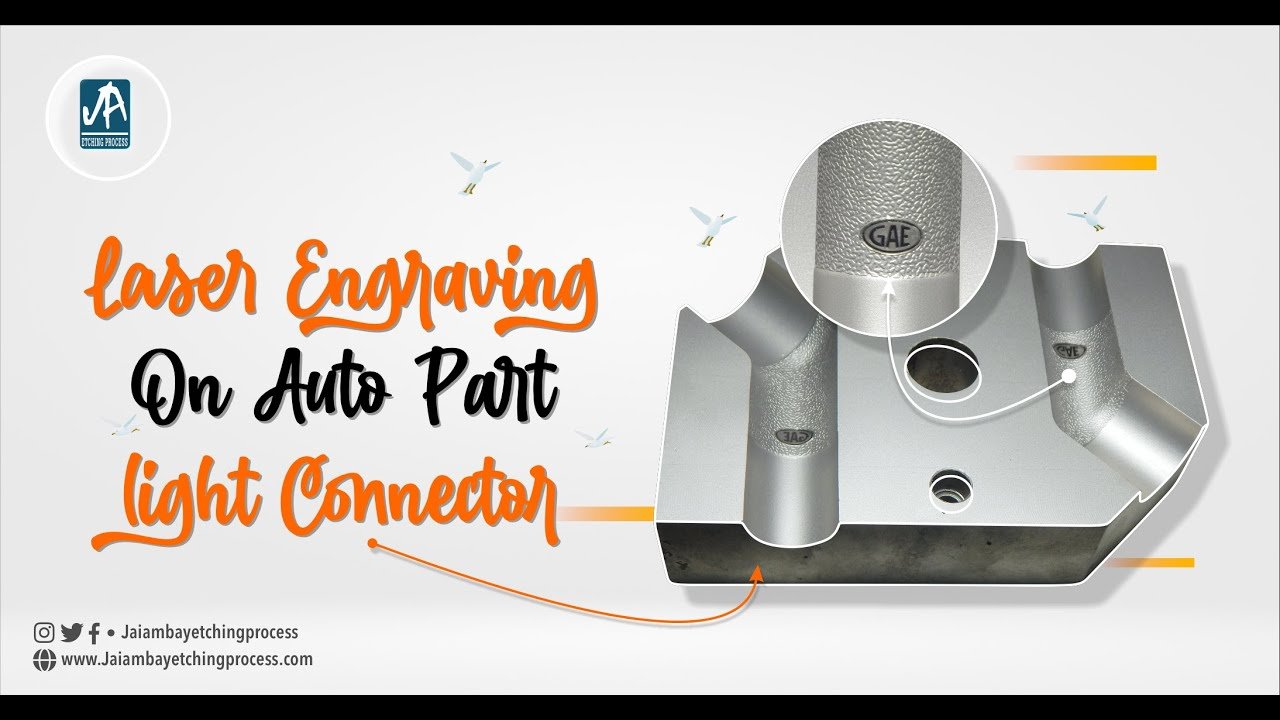
Laser Etching on Plastic Moulds: A Complete Guide to Precision Mold Texturing
Introduction
Laser etching on plastic moulds has become one of the most advanced and reliable methods for creating precise surface textures, patterns, logos, and custom finishes on injection molds. Industries such as automotive, consumer electronics, medical devices, packaging, and household products use laser etching technology to improve product appearance and functionality.
Unlike traditional texturing methods, laser etching creates highly accurate patterns directly on the mold surface without using chemicals or physical engraving tools. This modern process offers excellent repeatability, shorter lead times, and greater design flexibility.
As a professional provider of laser etching on plastic mould, we help manufacturers achieve consistent textures and high-quality finishes that enhance the value of their plastic products.
In this guide, you will learn how laser etching on plastic moulds works, its benefits, applications, and why many manufacturers choose laser texturing for modern injection molding projects.
What Is Laser Etching on Plastic Moulds?
Laser etching on plastic moulds is a precision surface texturing process that uses a focused laser beam to create patterns and textures directly on mold cavities.
The laser removes microscopic amounts of material from the mould surface to form the desired texture. During the injection molding process, this texture is transferred to the plastic component, creating a finished surface without requiring additional processing.
This technology allows manufacturers to create highly detailed textures that would be difficult or impossible to achieve using conventional methods.
Common Applications of Laser Etching on Plastic Moulds
- Automotive interior textures
- Dashboard components
- Consumer electronics housings
- Mobile phone covers
- Appliance panels
- Medical device enclosures
- Packaging products
- Household plastic products
- Decorative surface finishes
- Custom branding and logos
Because the texture is built directly into the mold, every molded part maintains consistent quality throughout production.
Benefits of Laser Etching on Plastic Moulds

Many manufacturers choose laser etching on plastic moulds because it offers significant advantages over traditional texturing methods.
High Precision
Laser systems can create extremely fine details and complex surface patterns with outstanding accuracy.
Excellent Consistency
Every texture is digitally controlled, ensuring uniform results across the entire mold surface.
Unlimited Design Flexibility
Laser technology allows the creation of custom textures, geometric patterns, leather grains, wood grains, and unique decorative finishes.
No Chemicals Required
Unlike chemical etching, laser etching does not require acids or hazardous chemicals, making it a cleaner process.
Faster Development
Digital texture files can be applied quickly, reducing project lead times and accelerating production schedules.
Improved Product Appearance
Laser-textured moulds create premium-looking plastic products with enhanced visual appeal.
How Laser Etching on Plastic Moulds Works
The laser texturing process follows several important steps.
Surface Preparation
The mould surface is cleaned and prepared before laser processing begins.
Digital Texture Design
Engineers create or import the desired texture pattern using specialized software.
Laser Processing
The laser beam removes controlled amounts of material from the mold surface to generate the texture.
Quality Inspection
The finished texture is carefully inspected to ensure consistency and accuracy.
Production Testing
Sample molded parts are produced to verify that the texture transfers correctly to the final plastic component.
This controlled process ensures high-quality results and excellent repeatability.
Laser Etching on Plastic Moulds vs Chemical Etching

Both methods are widely used in mold texturing, but laser technology offers several advantages.
| Feature | Laser Etching on Plastic Moulds | Chemical Etching |
| Precision | Excellent | Good |
| Design Flexibility | Very High | Moderate |
| Environmental Impact | Low | Higher |
| Repeatability | Excellent | Good |
| Lead Time | Faster | Slower |
| Custom Textures | Easy | Limited |
For complex and highly detailed textures, laser etching on plastic moulds is often the preferred solution.
Industries Using Laser Etching on Plastic Moulds
Automotive Industry
Laser texturing is commonly used for:
- Dashboards
- Interior trim
- Door panels
- Control surfaces
Consumer Electronics
Applications include:
- Smartphone housings
- Laptop covers
- Electronic enclosures
Medical Industry
Medical manufacturers use textured moulds to improve product appearance and functionality.
Household Products
Many consumer products benefit from textured surfaces that improve grip and visual appeal.
Why Choose Our Laser Etching Services?
As an experienced provider of laser etching service, we offer:
- Advanced laser texturing technology
- Custom texture development
- High-precision surface finishing
- Consistent quality control
- Fast turnaround times
- Support for new and existing moulds
- Industry-specific texturing solutions
Our team works closely with manufacturers to create textures that enhance product performance and aesthetics.
Frequently Asked Questions (FAQs)
1. What is laser etching on plastic moulds?
Laser etching on plastic moulds is a precision texturing process that uses a laser beam to create patterns, textures, and surface finishes directly on mold cavities. These textures are then transferred to the plastic parts during injection molding.
2. What are the benefits of laser etching on plastic moulds?
The main benefits include high precision, excellent consistency, custom texture creation, faster turnaround times, environmentally friendly processing, and improved product appearance.
3. How does laser etching on plastic moulds differ from chemical etching?
Laser etching on plastic moulds uses a computer-controlled laser to create textures without chemicals. Chemical etching uses acids to remove material from the mold surface. Laser texturing offers greater precision, flexibility, and environmental benefits.
4. What types of textures can be created using laser etching?
Laser technology can create a wide range of textures, including leather grain, wood grain, geometric patterns, matte finishes, decorative designs, and custom surface textures.
5. Which industries use laser etching on plastic moulds?
Industries such as automotive, consumer electronics, medical devices, packaging, household products, and industrial manufacturing commonly use laser etching on plastic moulds.
6. Can laser etching be applied to existing plastic moulds?
Yes. In many cases, laser etching on plastic moulds can be applied to new or existing molds to add textures, patterns, or branding elements without requiring a completely new mold.
7. Does laser etching affect mold performance?
When performed correctly by experienced professionals, laser etching improves surface quality without negatively affecting mold performance, durability, or production efficiency.
8. How long does laser etching on plastic moulds last?
The texture created through laser etching on plastic moulds becomes part of the mold surface and can last throughout the mold’s service life with proper maintenance.
9. Can custom logos and branding be added through laser etching?
Yes. Laser etching allows manufacturers to add custom logos, branding elements, product identifiers, and decorative patterns directly onto the mold surface.
10. Why choose professional laser etching on plastic moulds services?
Professional service providers use advanced laser technology, experienced technicians, and strict quality control processes to ensure accurate textures, consistent results, and improved product aesthetics for injection molding applications.